Skip to content
Winnipeg North Dental
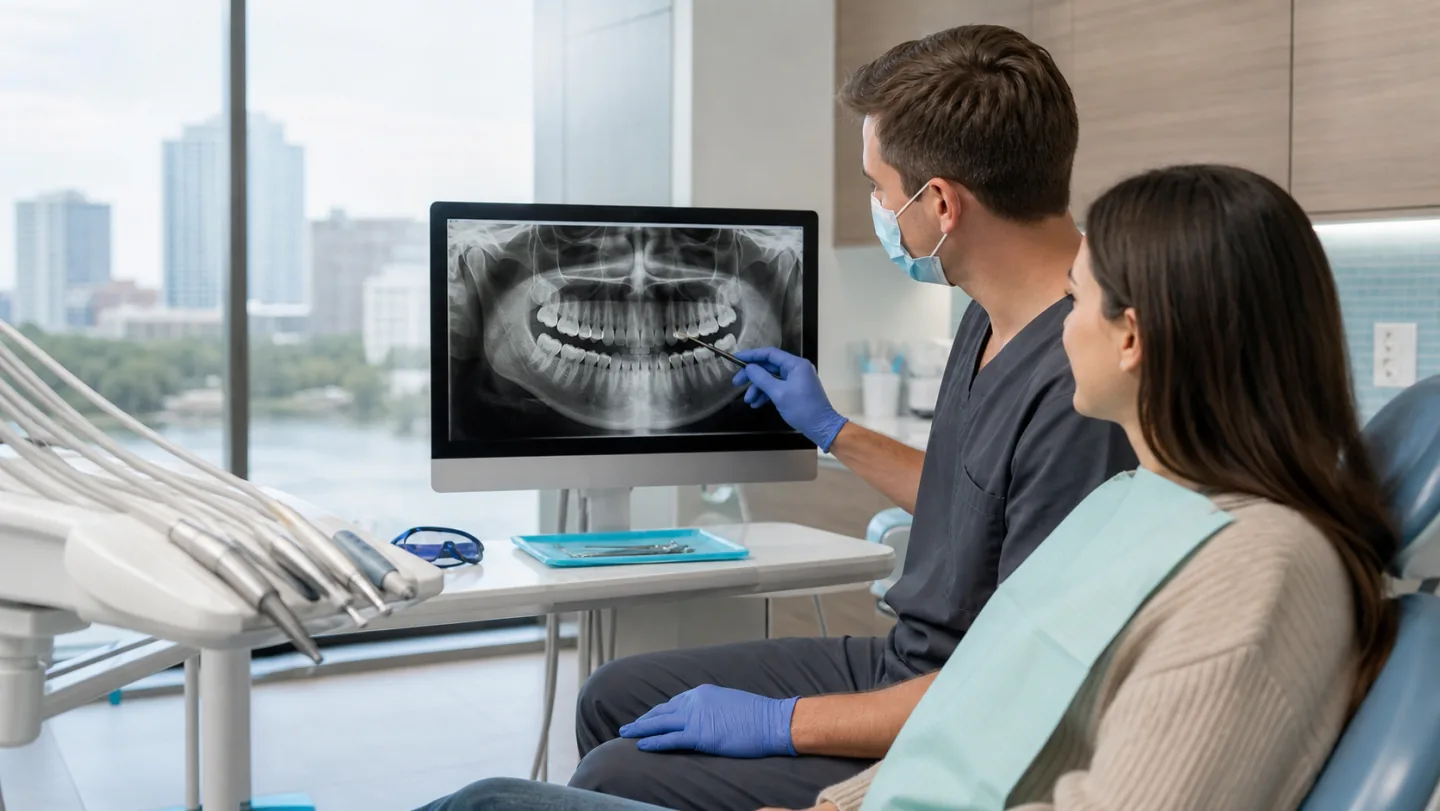
A dentist reviewing a dental X-ray before root canal treatment
Didn’t I already fix this tooth?

Root Canal Therapy for West Kildonan Residents

A tooth with an old root canal can still give trouble, and that is frustrating after everything you went through. New symptoms deserve a fresh look rather than a shrug.

Let's find a time

Request an appointment

We’ll call to confirm your appointment. For urgent care, please call us directly.

When a treated tooth speaks up

New Symptoms in a Tooth Treated Before

Root canal therapy removes the affected tissue and seals the canals, but the tooth stays in your mouth and goes on working. That means it can still run into problems. A seal may leak, the tooth may fracture, its anatomy may have been complicated, or fresh decay may have started.

If you live in West Kildonan, an area of Winnipeg, and an already treated tooth has become tender or swollen around the gum, you can have it examined at our clinic on McPhillips Street. An exam and X-rays come before any talk of what should happen next.

Explore root canal therapy
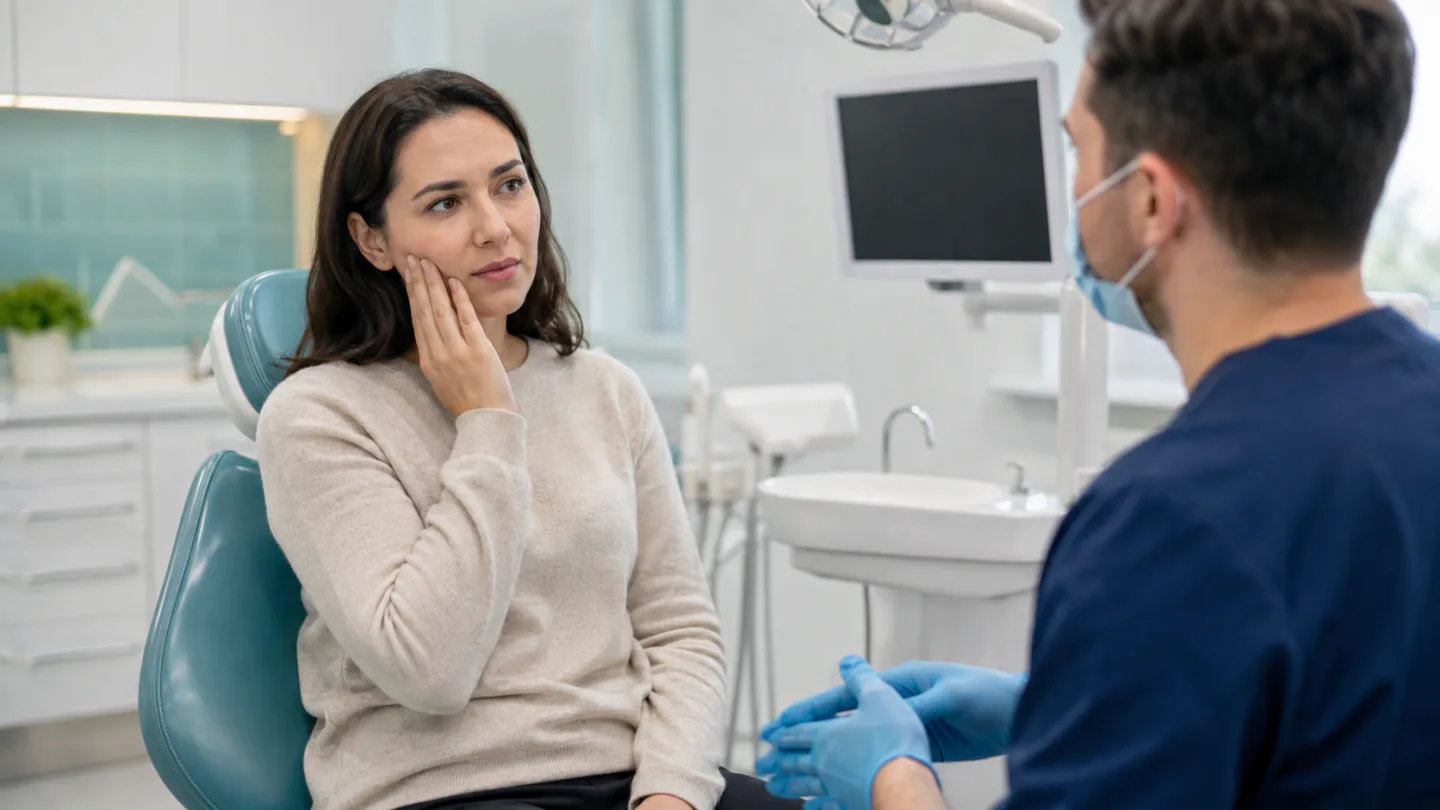
Patient in a dental chair touching her cheek while speaking with a dental professional
A patient describing a sore area to a dental professional.

Earlier treatment still counts

Dates, records and whatever you remember about the first procedure are useful details.

A cause gets looked for

The aim is to learn why the tooth has changed, not simply to quiet the symptom.

Restoring it is reviewed too

The filling or crown on top gets examined along with the root and surrounding area.

Sorting out the old and the new

Why a treated tooth can flare up, and what root canal care involves.

Knowing how the original treatment works makes it easier to follow what the dentist finds this time.

Possible reasons for the change

No single explanation fits every returning problem, which is why this tooth has to be checked in person.

  • Leakage can let bacteria reach a space that was once sealed.
  • A fracture may have developed in a tooth already weakened by earlier damage.
  • Narrow or unusual canal shapes can make some teeth harder to treat.
  • New decay can begin around the edges of an existing restoration.

What the therapy itself does

Whether this tooth is a candidate for further root canal care is a decision that follows the assessment.

  • Local anesthetic numbs the area, and the tooth is isolated to stay clean.
  • Through a small opening, the dentist reaches the tissue and canals inside.
  • Cleaning, shaping and disinfecting prepare those canals for sealing.
  • A filling, and often a crown, then protects the tooth for everyday use.

Sometimes the tooth cannot be predictably kept. If that turns out to be so, removal and replacement options would be explained to you.

Looking at it again

How a returning problem gets investigated.

Your appointments depend on what is found, so the path below is general and only begins with a careful check.

Request your visit
  1. 01

    Recount the tooth’s history

    Roughly when was it treated, and does it have a crown? Mention any earlier flare-ups and what brought you in now, even if the details are hazy.

  2. 02

    Compare signs and images

    The dentist examines the tooth, the gum beside it and your bite, using X-rays to see what cannot be judged from the surface.

  3. 03

    Learn what the findings mean

    You hear what seems to be causing this, how restorable the tooth appears, and which options are realistic for it.

  4. 04

    Settle on a direction

    Nothing goes ahead until you understand and agree. Any treatment is explained first, including what it may ask of you afterward.

Helpful to dig up

Your tooth’s back story helps.

Treatment done years ago may feel impossible to recall, and that is fine. Share what you can, and let us know which clinic did the work if records might be worth requesting.

Costs depend on the care this tooth turns out to need, so ask for an estimate after the options are set out.

Worth noting before your visit

  • Which tooth it is, and roughly when it had its root canal.
  • Whether a crown or large filling was placed afterward, and when.
  • What has changed, such as biting tenderness or a bump on the gum.
  • Your medications, health history, and any insurance or CDCP details.
Consultation room with a white desk, black chairs and a large window
Blue dental chair beside wood cabinets in a treatment room

Our consultation room, and a blue dental chair in a treatment room.

Facing it a second time

Disappointed? That’s reasonable.

Coming back for the same tooth can feel discouraging, particularly if the first treatment was hard to go through. Say so. Knowing how the earlier experience went lets us talk about what would make this one easier.

Tell us how it went before

Whatever bothered you last time is exactly what we want to hear about.

Numbing, discussed up front

If freezing was a concern on an earlier occasion, bring that up before anything starts.

Sharp pain is news to share

Pressure may be felt during care, but anything sharp should be reported at that moment.

Looking after it from here

Giving this tooth better odds.

No treated tooth comes with assurances, yet a few habits help you protect it and notice trouble sooner the next time.

01

Keep the top sound

A restoration that has broken down leaves the tooth less protected. Have chips, gaps or a loose crown looked at rather than leaving them.

02

Stay on your check-ups

Regular dental care lets changes be caught while there may be more choices available for dealing with them.

03

Report symptoms early

Some biting tenderness can follow treatment and ought to ease. Pain or swelling that is marked or growing worse calls for a phone call to us.

Is the same spot acting up again? Let the clinic know what you have noticed.

Talk with our team
Glass doors and blue-grey siding at the Winnipeg North Dental entrance

Winnipeg North Dental

Unit-5 2358 Mcphillips Street, Winnipeg, MB R2V 4J6
Get directions (opens in a new tab)
Where to bring this tooth

Have It Examined at Our Winnipeg Clinic

West Kildonan residents are seen at Winnipeg North Dental, Unit 5, 2358 McPhillips Street, Winnipeg, where the tooth can be assessed and options discussed.

The form sends us a request and does not hold a time. A confirmed appointment follows once the clinic has spoken with you.

Questions about coverage?

Talk with our team before your visit or learn about CDCP.

A little clarity before your visit

Your questions, answered.

Helpful details about root canal therapy in West Kildonan.

Ask our team
How does someone in West Kildonan get this tooth looked at?

Ring (204) 338-3003 or fill in the form here, and mention that the tooth has had a root canal before. Your visit would be at Unit 5, 2358 McPhillips Street, after the clinic confirms a time.

Did my first root canal fail?

Not necessarily. Decay or a fracture can arise long after treatment was finished, with no fault in the original work. An examination is the way to separate these possibilities.

Can a tooth be sore after its nerve has been removed?

Yes. Discomfort can come from tissue around the root, from biting pressure, or from infection linked to the tooth. That is why a treated tooth with new symptoms still needs checking.

Can a tooth have root canal treatment twice?

That depends on what the dentist finds and how restorable the tooth is. Ask directly during your assessment which options apply, and what each would involve for this particular tooth.

Do I need records from the clinic that treated it?

They may be helpful, though you can come in without them. Tell us where it was done and when, then ask whether earlier X-rays are worth trying to obtain.

The gum beside my old root canal has swollen. Should I use the form?

Please phone instead. Swelling or severe pain should be described to the clinic by telephone so that you can be told what to do next.

Same tooth, new symptoms?

Find out what has changed.

Request an assessment at our McPhillips Street clinic, and call rather than write if swelling or severe pain is part of the picture.

Patient testimonials

Kind words from our patients

★★★★★ 5.0 from 440+ reviews on Google

Close to home

Areas we serve

Convenient dental care on McPhillips Street for families across northwest Winnipeg and nearby communities.

Explore all service areas

A healthier smile is one visit away

Ready for dental care that feels genuinely comfortable?

✓ New patients welcome ✓ Direct insurance billing ✓ Multilingual team

How can we help?

Our dental team is here for you.

Ready to book or have a question? Choose the option that works best for you.

For urgent dental concerns, please call us directly.

Send us a message

Our team will reply during clinic hours.