Skip to content
Winnipeg North Dental
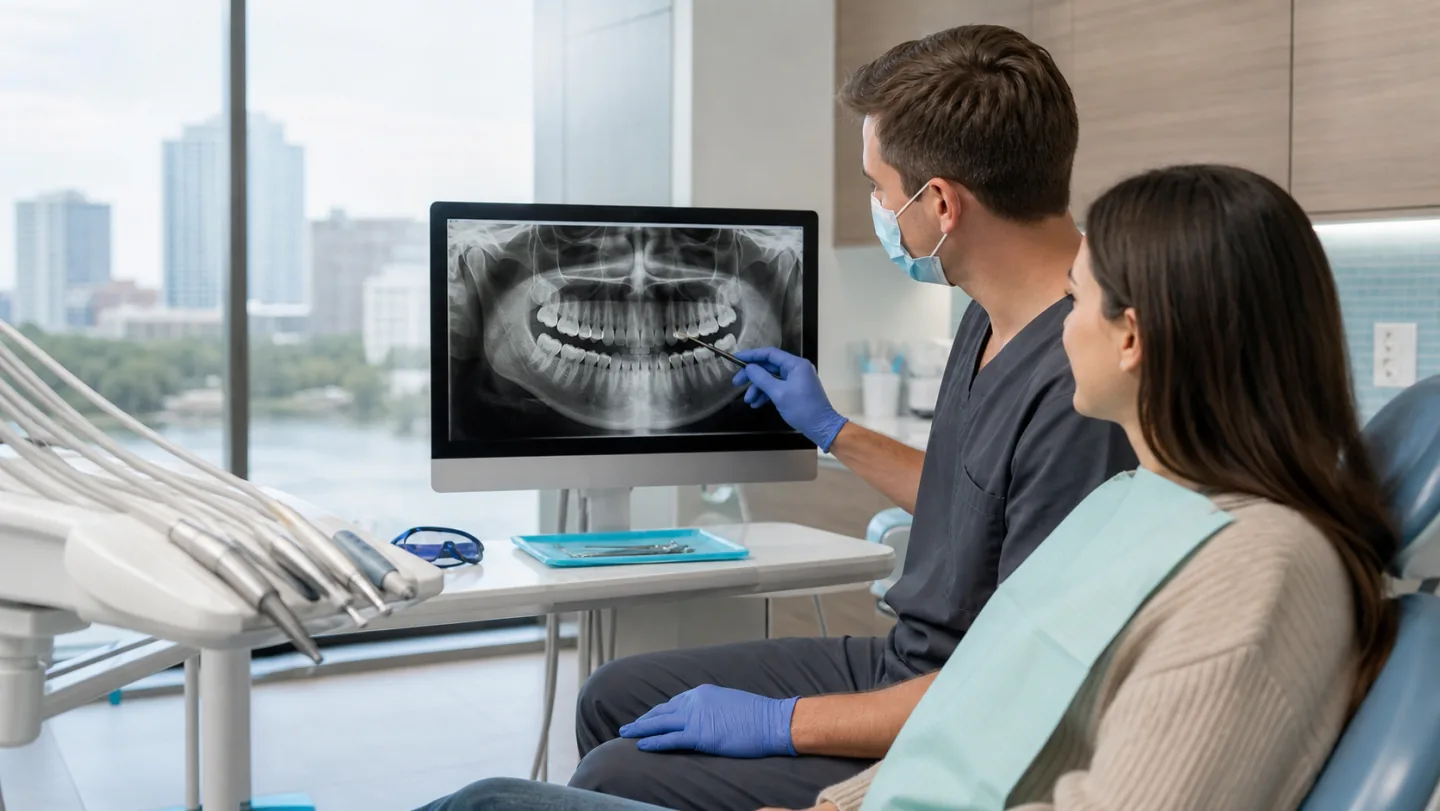
A dentist reviewing a dental X-ray before root canal treatment
Freezing hasn’t always worked.

Root Canal Therapy for North Kildonan Residents

If you’ve ever felt a dental drill through what was meant to be full numbness, the thought of a root canal lands differently. That memory is useful information, and the dentist should hear it from the start.

Let's find a time

Request an appointment

We’ll call to confirm your appointment. For urgent care, please call us directly.

When numbing has been patchy

Getting a Root Canal When Numbing Has Been a Problem

Plenty of people have a story about freezing that took a long time to work or wore off too early. Inflammation in the tooth can affect how treatment feels, and a hot, painful tooth may not behave like a calm one. So your worry has a reasonable basis, and it’s not something you need to play down.

North Kildonan is in Winnipeg, and if you’re living there, your care would take place at our McPhillips Street clinic. Share your experience before anything begins. It gives the dentist the chance to check how the tooth is responding, and it gives you permission to speak up the moment something doesn’t feel right.

Explore root canal therapy
Reclined blue dental chair under a white overhead arm in a tidy room with a sink and frosted-door cabinets
A reclined blue chair with a sink and frosted-door cabinets beyond.

Say it up front

Past trouble with freezing belongs in your very first conversation, not halfway through the appointment.

Sharp pain is a signal

Should anything turn sharp during treatment, you’re expected to report it immediately.

Agree on a signal

A raised hand gives you a way to communicate when your mouth is occupied and speaking isn’t easy.

Freezing, then the work

How numbness fits into the treatment.

Before any instruments reach the tooth, local anesthetic is used on the area. The rest of the procedure then follows a set order, and it’s reasonable to ask about any of it.

The numbing stage

This is where your history is most helpful. A tooth that’s already inflamed can present its own challenges, so ask what the dentist does if the first round doesn’t fully take.

  • Your account of earlier problems is taken into account before starting.
  • Pressure and vibration can still come through when the freezing has worked.
  • A sharp or hot feeling is different, and it should stop you right there.
  • Ask which comfort options are available before your appointment day.

The canal stage

Once the area is ready, the tooth is isolated and opened. The dentist removes the affected tissue, then cleans and seals the canal system from the inside.

  • A small access point opens a way to the damaged tissue within.
  • Narrow channels get instrumented, shaped and thoroughly disinfected.
  • Filling material then closes them to limit the odds of reinfection.
  • A filling and frequently a crown protect the tooth when that’s done.

Some cases require more than one appointment. Ask how the plan would change if a tooth proved especially hard to numb on the day.

Building trust into the visit

A way through for wary patients.

Knowing what happens and when can make it easier to speak up. Here’s how things may go if numbing has been an issue for you before.

Request your visit
  1. 01

    Raise it when you get in touch

    Mention that freezing has been unreliable in the past. It may help when you phone to ask what the appointment can include.

  2. 02

    Go over your history

    Tell the dentist what happened, including which tooth, how long it took and whether it was upper or lower. Include any medical conditions and medications too.

  3. 03

    Check before starting

    Ask how the tooth’s numbness will be checked before work begins, and how you should tell the dentist if something doesn’t feel numb.

  4. 04

    Stay in the conversation

    During treatment, use your signal if you need to. Afterward, ask about any next stages and when your restoration should be done.

Getting ready to speak up

Have your numbing history handy.

You aren’t expected to know why freezing hasn’t worked for you. Your job is simply to describe what you felt, and leave the interpretation to the dentist.

Mention any health changes and all current medications as well. They’re part of what the dentist needs to know before giving any anesthetic.

Details you might recall

  • Whether the trouble was in an upper or lower tooth, if you can remember.
  • Whether numbing was slow to start, or faded before the work was over.
  • Whether the tooth was already very painful when that visit happened.
  • Anything that helped on an occasion when the freezing did work well.
Window seating area with sheer striped blinds, a child-sized white chair and a leafy plant in the foreground
Navy bench and potted snake plant against a white wall beside the reception desk, with a framed abstract print

Striped blinds behind white chairs, and a navy bench by a potted snake plant.

Speaking up, by design

You’re allowed to stop and say so.

People who’ve felt pain in a dental chair often say they didn’t want to make a fuss. Please make a fuss. Telling the dentist what you’re feeling is exactly how this is meant to go.

Telling pressure from pain

Ask to have the difference explained in advance, so you can recognize what’s expected and what isn’t.

Pausing mid-treatment

Work out how to ask for a break, then use that signal without feeling like you’re holding things up.

Other comfort options

Your questions about what else might help are welcome, and you can raise them when you phone or at your exam.

When the freezing wears off

How the tooth may feel afterward.

The hours and days after your appointment can bring new sensations, particularly as numbness fades. Knowing the difference between expected and unexpected can reduce some of the worry.

01

Tenderness is common

Biting down may feel sore at first, as inflammation already present can affect recovery. It should be easing rather than intensifying.

02

Don’t tough it out

Pain that’s severe, swelling or anything that’s getting worse is worth a call to the clinic rather than quietly waiting.

03

Tell us how it went

If numbing was difficult again, mention that for the record, so it can inform the plan at your future appointments.

Ask before you leave about the timing of your restoration, because delaying that stage can leave the tooth vulnerable.

Talk with our team
Winnipeg North Dental’s frosted storefront windows and glass doors below a white sign with a tooth logo

Winnipeg North Dental

Unit-5 2358 Mcphillips Street, Winnipeg, MB R2V 4J6
Get directions (opens in a new tab)
The place for your treatment

Care for North Kildonan Residents

For people living in North Kildonan, root canal therapy takes place at Winnipeg North Dental, Unit 5, 2358 McPhillips Street, in Winnipeg.

Add a line about past numbing trouble when you send the form. The clinic replies with a time, as the form doesn’t book one by itself.

Questions about coverage?

Talk with our team before your visit or learn about CDCP.

A little clarity before your visit

Your questions, answered.

Helpful details about root canal therapy in North Kildonan.

Ask our team
How can someone in North Kildonan bring up numbing concerns before booking?

Ring (204) 338-3003 and mention them, or add a note to the form. Treatment is at our McPhillips Street clinic in Winnipeg, and staff will confirm your appointment.

Why might freezing not have worked for me before?

There can be several reasons, and an inflamed tooth is one situation that can complicate things. The dentist can talk it over with you, and your history will help.

What if I can feel it during the root canal?

Tell the dentist immediately. Pressure and movement can be expected, but sharp pain isn’t something you should stay quiet about or try to endure.

Will the numbness last through my whole appointment?

That’s the goal, and it’s fine to say if you feel it starting to fade. Don’t wait until it’s become really uncomfortable to let someone know.

Do you have other comfort options if numbing is hard for me?

Please ask the clinic directly what’s available and what would be appropriate for you. That conversation should also cover your medical history, and it’s easier to have before the day of your treatment.

Tell us what happened last time

Start with your numbing history.

Request an appointment at our McPhillips Street clinic, and you’ll hear back from staff. Please phone about severe pain or swelling.

Patient testimonials

Kind words from our patients

★★★★★ 5.0 from 440+ reviews on Google

Close to home

Areas we serve

Convenient dental care on McPhillips Street for families across northwest Winnipeg and nearby communities.

Explore all service areas

A healthier smile is one visit away

Ready for dental care that feels genuinely comfortable?

✓ New patients welcome ✓ Direct insurance billing ✓ Multilingual team

How can we help?

Our dental team is here for you.

Ready to book or have a question? Choose the option that works best for you.

For urgent dental concerns, please call us directly.

Send us a message

Our team will reply during clinic hours.



