Skip to content
Winnipeg North Dental
A dentist reviewing a dental X-ray before root canal treatment
Am I too old for this?

Root Canal Therapy for Meadow Land Residents

After decades of use, you may wonder if a tooth deserves this much attention, or whether it’s simpler to let it go. Age alone doesn’t settle that question. The tooth’s condition is what counts.

Let's find a time

Request an appointment

We’ll call to confirm your appointment. For urgent care, please call us directly.

Later-life dentistry

Saving an Older Tooth: Is It Worth It?

Natural teeth that have served you for many years often carry a history of fillings, crowns and wear. When one starts causing trouble, it’s reasonable to ask whether root canal therapy still makes sense, particularly if you have other health matters to think about.

This page is written for older Meadow Land residents and those weighing up a long-serving tooth. Care takes place at our clinic on McPhillips Street in Winnipeg, where the dentist looks at the condition, support and outlook of the tooth, then talks through your options.

Explore root canal therapy
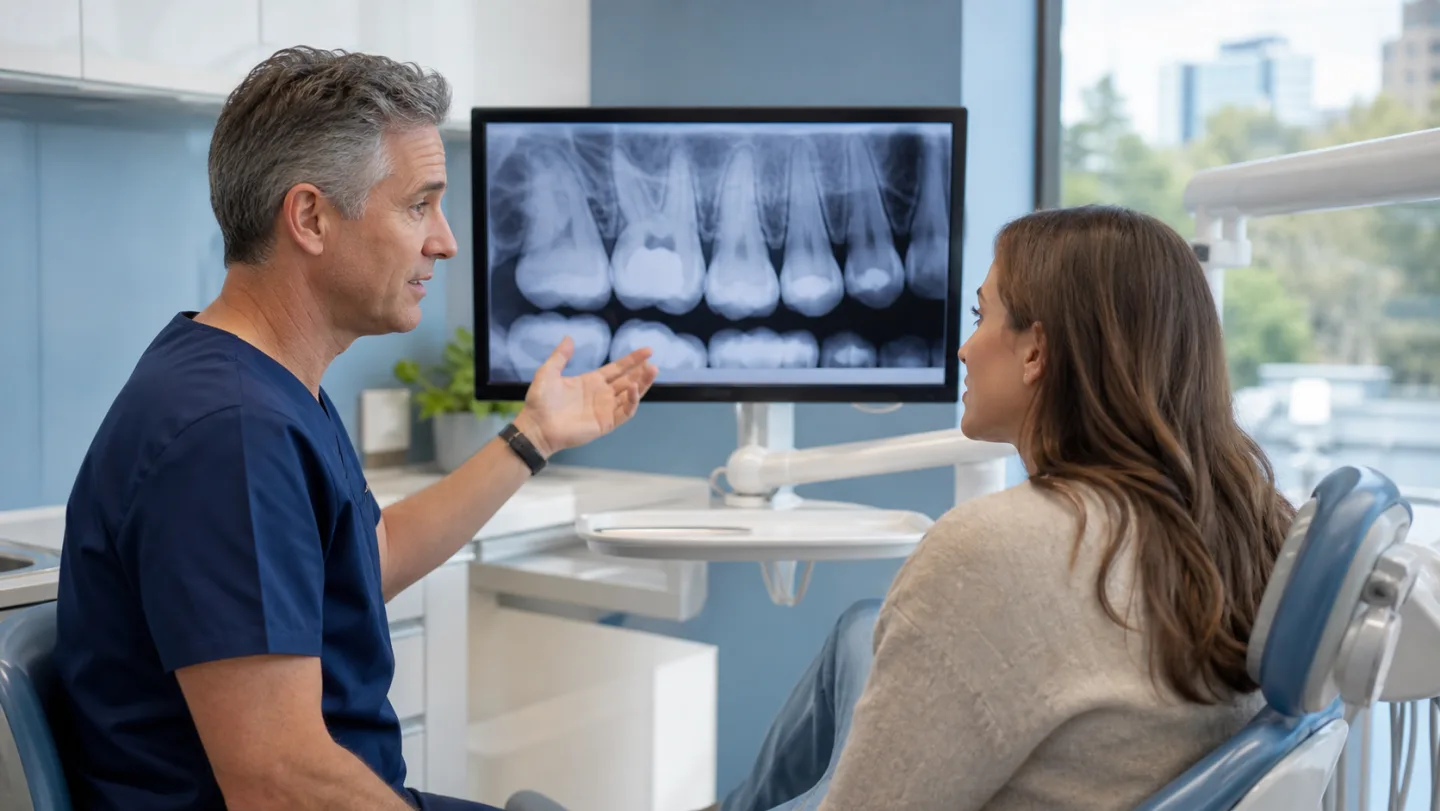
Dentist with a tablet discussing an X-ray displayed on a screen with a patient in a dental chair
A patient in a dental chair and a dentist with an X-ray on a screen.

Decided by the tooth

Structure and support matter here, and your birthday isn’t what determines the plan.

Your health in view

An up-to-date medical history and medication list inform what the dentist recommends.

Your wider mouth, too

A tooth’s role among your other teeth and dental work can be part of the discussion.

Weighing up a long-serving tooth

What may be different, and what to weigh.

Teeth change with the years, and that can have a bearing on treatment. It helps to separate what might make things more involved from what makes the tooth worth considering.

How older teeth can differ

Years of use can leave their mark inside and out, and the dentist takes this into account when assessing the tooth and planning any treatment.

  • Canals may become narrower over time, which can make them more complex.
  • Multiple past repairs may have reduced the remaining tooth structure.
  • Wear or fine cracks can affect how the tooth can be rebuilt.
  • Changes in gum support are considered as part of the long-term outlook.

Why keeping it may matter

A natural tooth that can be predictably restored has real value, and removing it isn’t always the simpler path in the long run.

  • Keeping the tooth avoids creating a new space in your mouth.
  • Your normal way of chewing can be better preserved with it in place.
  • A tooth that has to be replaced brings its own procedures and costs.
  • Extraction may still be the right call if restoration isn’t realistic.

It’s also fair to tell the dentist what you want. A clear idea of what matters to you, whether that’s chewing, appearance or fewer appointments, can help guide the conversation.

At an unhurried pace

How the process may run.

Treatment begins only once you understand what’s proposed. The sequence and number of appointments can vary with the tooth, its anatomy, any infection and how it will be restored.

Request your visit
  1. 01

    Update your health history

    Share the conditions you are managing and all your prescriptions. If it’s hard to remember everything, a printed list or the original labels can make this easier.

  2. 02

    Look over the tooth and its supports

    The dentist examines the area and reviews appropriate X-rays. This shows how the tooth is doing and whether it could reasonably be expected to hold a final restoration.

  3. 03

    Compare the routes

    Root canal therapy and extraction might both be discussed. Ask how each would affect your chewing, any existing dental work and the number of visits involved.

  4. 04

    Rebuild if you proceed

    With treatment complete, the tooth still needs a final restoration, frequently a crown on back teeth. Be sure to ask what this stage will require from you.

To bring along

Details that are easy to forget.

You may have accumulated years of health information and dental work. There is no need to summarize all of it perfectly, but the following points can make the discussion more useful.

Finding it hard to lie back, hear clearly or remember long explanations? Mention it when you call so the clinic is aware of it ahead of your appointment.

Helpful to have with you

  • A complete, current list of everything you take, prescribed or not.
  • Notes on the medical conditions you are being treated for.
  • Information about any partial denture or bridge that relies on this tooth.
  • Your insurance or CDCP details, along with any questions about cost.
Consultation room with leather office chairs at a white desk, a seascape painting and bright window blinds
Dental chair headrest and arm in pale blue, with a small wall monitor and cabinets behind

Leather chairs at a white desk, and a pale blue chair with a wall monitor.

What may help on the day

Practical comfort, in plain terms.

Comfort at this stage of life can be as much about your back, neck or hearing as about the tooth. If something physical makes a dental appointment harder, tell the dentist.

Positioning

Trouble with your neck or back? Say so before the chair is reclined, and ask what might be possible.

Numbing

Local anesthetic is used before work begins, and it’s worth mentioning any past difficulty you’ve had with it.

Going over it twice

Having a detail repeated or explained more slowly is a completely ordinary thing to request.

Keeping it serving you

After the tooth has been treated.

A treated tooth can continue to do its job, though nobody can say exactly for how long. Ongoing dental care and a sound restoration are part of giving it a fair chance.

01

Tender on biting

It’s possible for the tooth to feel a little sore under pressure initially. Contact the clinic if the discomfort becomes pronounced or doesn’t ease.

02

Protecting a brittle tooth

A tooth that has lost structure may be vulnerable to fracture, which explains why its final restoration shouldn’t be put off for long.

03

Daily cleaning

New decay can still develop around a treated tooth. Should cleaning become harder for any reason, ask what might work better for you at home.

Noticed a change after treatment but aren’t sure it matters? A quick call to the clinic can settle that.

Talk with our team
Entrance of Winnipeg North Dental with a railing, double doors and a large sign showing the clinic’s number

Winnipeg North Dental

Unit-5 2358 Mcphillips Street, Winnipeg, MB R2V 4J6
Get directions (opens in a new tab)
Coming in for your assessment

Care at Winnipeg North Dental

For anyone in Meadow Land weighing up a tooth, appointments are at Winnipeg North Dental, Unit 5, 2358 McPhillips Street, Winnipeg. If you would like directions or have any access questions, the clinic can be reached at (204) 338-3003.

This form is a request, not a booking. A staff member will contact you afterward to find a time that’s workable.

Questions about coverage?

Talk with our team before your visit or learn about CDCP.

A little clarity before your visit

Your questions, answered.

Helpful details about root canal therapy in Meadow Land.

Ask our team
How would an older adult from Meadow Land arrange an assessment?

Calling (204) 338-3003 lets you talk through your needs, or you can send the request form here. Treatment is at Unit 5, 2358 McPhillips Street, and the clinic confirms the appointment.

Am I too old for root canal therapy?

Age by itself doesn’t decide this. Suitability comes down to the tooth’s structure and support, your general health and what you hope to achieve, all of which are reviewed at an assessment.

Could my older tooth be harder to treat?

It can be. Canals may narrow with time, and old repairs can complicate access, although this varies a great deal. The dentist can explain what your X-rays suggest.

I take blood thinners. Does the clinic need to know?

Yes. Please tell the dentist about those and every other medication well before treatment, and ask the clinic how they would like that information handled ahead of your visit.

This tooth holds my partial denture. Does that matter?

It can matter a good deal. A tooth that supports a partial or bridge has a job beyond its own chewing, so mention it and ask how each option affects your appliance.

Would it be easier just to have it taken out at my age?

Not necessarily. Removal can be appropriate, but it creates a space and may lead to replacement decisions, so it’s worth weighing both paths before you choose.

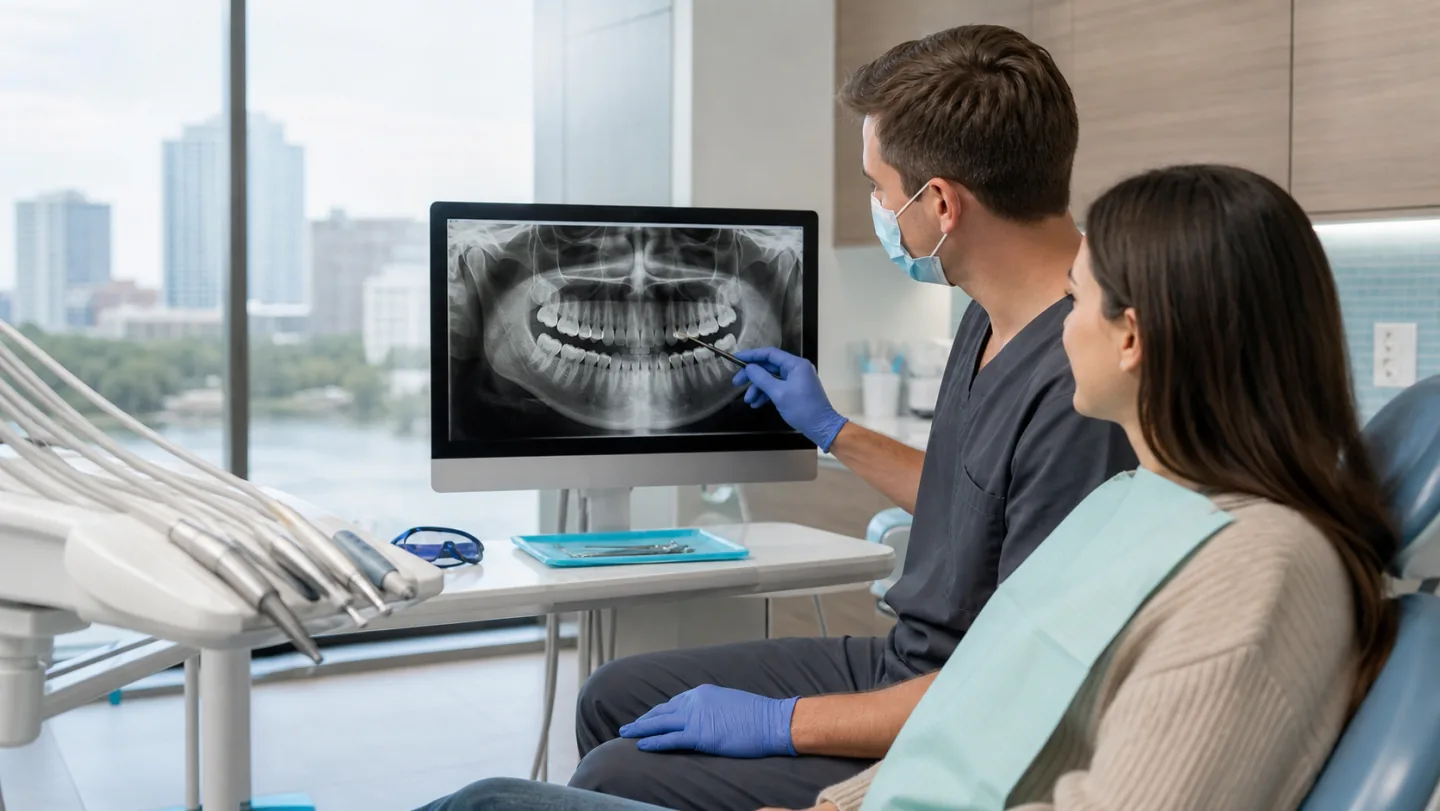
Thinking about an older tooth?

Let the assessment inform your decision.

Request a visit to our Winnipeg clinic to talk it over. For severe pain or swelling, please telephone instead of using the form.

Patient testimonials

Kind words from our patients

★★★★★ 5.0 from 440+ reviews on Google

Close to home

Areas we serve

Convenient dental care on McPhillips Street for families across northwest Winnipeg and nearby communities.

Explore all service areas

A healthier smile is one visit away

Ready for dental care that feels genuinely comfortable?

✓ New patients welcome ✓ Direct insurance billing ✓ Multilingual team

How can we help?

Our dental team is here for you.

Ready to book or have a question? Choose the option that works best for you.

For urgent dental concerns, please call us directly.

Send us a message

Our team will reply during clinic hours.