Skip to content
Winnipeg North Dental
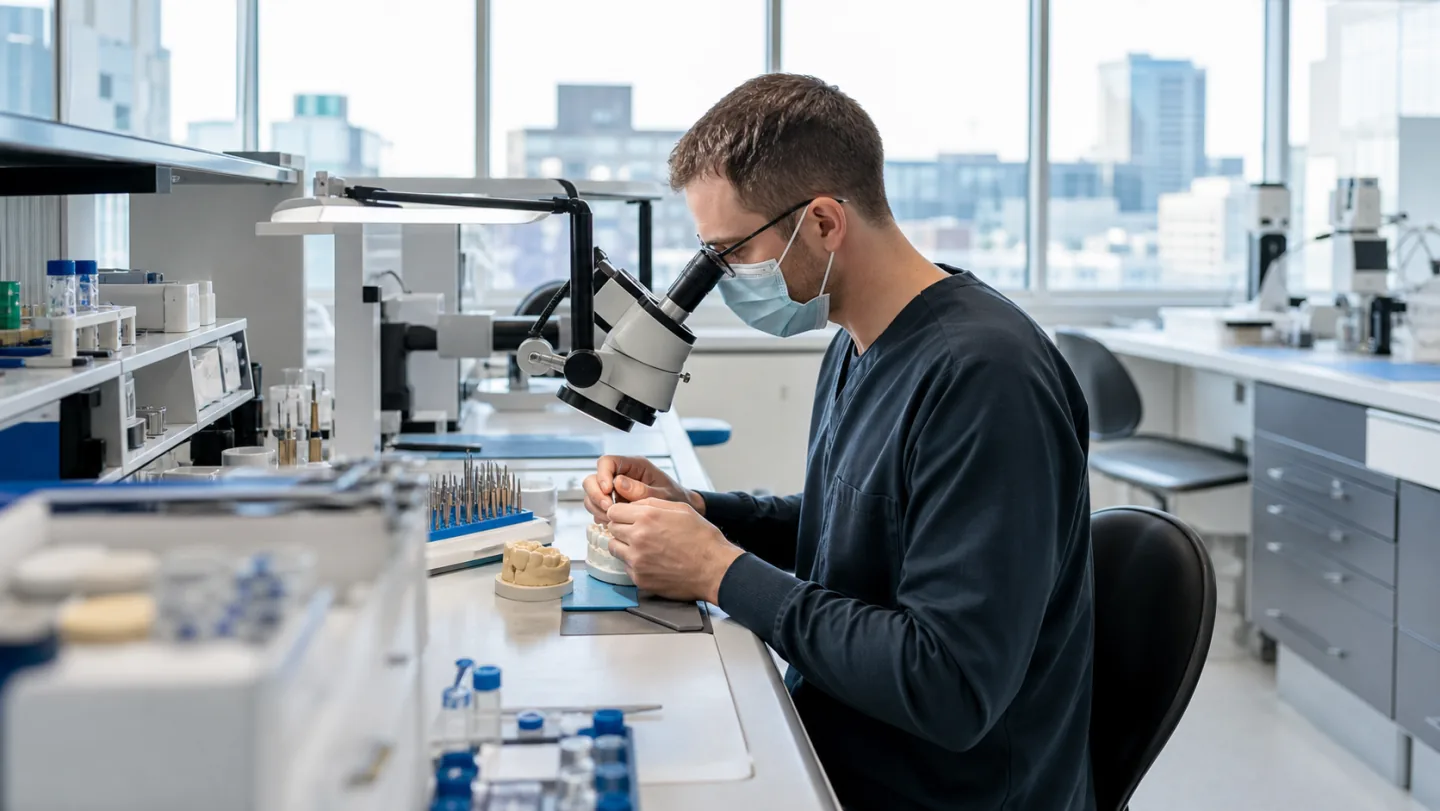
A dental laboratory technician crafting a custom restoration at a workbench
Bite, contact and a good fit

Our Dental Laboratory for Seven Oaks Residents

Even a small high spot can be hard to ignore once you’ve noticed it. Seven Oaks residents can ask how bridges and other custom work are fitted to the bite.

Let's find a time

Request an appointment

We’ll call to confirm your appointment. For urgent care, please call us directly.

When your teeth don’t meet the way they did

Why Bite Records Matter for Bridges and Crowns

A bridge has to do more than close a gap. It relates to the teeth at either side, the teeth it bites against and the gumline below. Bite records show how your upper and lower teeth come together and move, which is why they’re part of the information used to make it.

Maybe you’re a Seven Oaks resident thinking about the space left by a missing tooth, or you’ve got new work that doesn’t feel quite settled. In either case, the question to bring to Winnipeg North Dental on McPhillips Street is the same: how does this fit in with the way my teeth work together?

Explore our dental laboratory
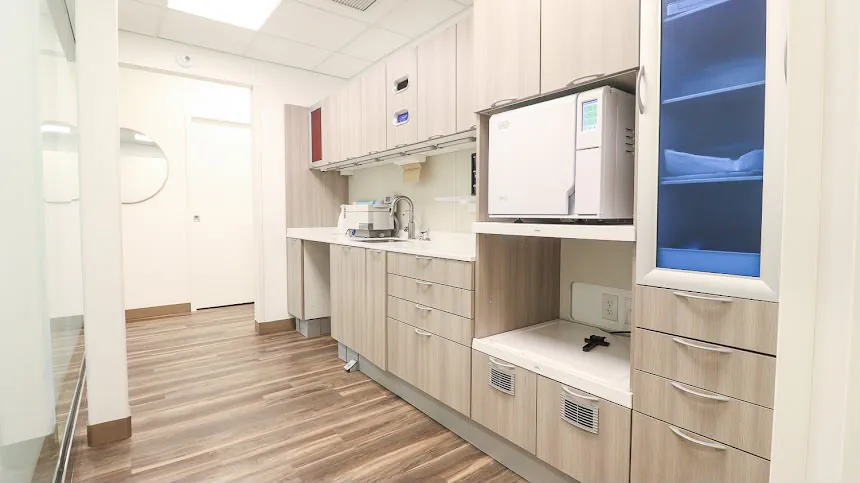
Organized clinical work area at Winnipeg North Dental
An organized work area inside our clinic on McPhillips Street.

Contact on all sides

Neighbouring teeth, opposing teeth and gums all have a bearing on how a restoration fits.

Movement, not just position

Records reflect how your teeth relate as they move, as well as when they’re at rest.

High spots can be checked

If your bite feels different, your dentist can evaluate it instead of leaving you to get used to it.

Fixed work, examined closely

What makes a bridge or crown sit properly.

Crowns and bridges are fixed restorations, used for damaged teeth or for selected spaces. Fit depends on the clinical information gathered and on what happens when the piece is tried.

Before it’s made

Your dentist evaluates the teeth involved and gathers what fabrication will rely on.

  • An examination of the teeth and tissues around the area.
  • An impression or digital scan to capture their shape.
  • A bite record to document how the arches meet.
  • Information on colour for when the piece will be visible.

When it’s tried in

The real assessment happens in your mouth, where small differences can be felt and measured.

  • Contact with the teeth adjacent to the restoration.
  • Relationship to the gumline along its edge.
  • Comfort and function when you close and chew.
  • Adjustment or a return for refinement, if it’s called for.

A bridge suits some spaces and not others. Your dentist makes that determination after assessing your mouth, and may raise other options.

How a good fit is reached

Getting from gap to bridge, one stage at a time.

The following is a typical order for fixed work. More complicated treatment could involve extra planning or fitting appointments, and your dentist can tell you what to anticipate.

Request your visit
  1. 01

    Evaluate the space

    Your dentist reviews the teeth on either side and the way your bite works, then explains the choices that could apply.

  2. 02

    Prepare and record

    The treatment area is prepared where appropriate. Next, scans or impressions, bite details and shade are noted for fabrication.

  3. 03

    Protect while it’s made

    A temporary can guard prepared teeth and help with function while your restoration is in production. Treat it according to the instructions you’re given.

  4. 04

    Close, check and correct

    Contact, bite, comfort, appearance and function get reviewed with the piece in position, and adjustments or a laboratory return follow if needed.

Noticing your own bite

Pay attention to how your teeth meet.

Most of us don’t think about our bite until something changes. A few simple observations before your appointment can help you describe what’s happening.

Please ask about the likely appointment length and costs when you call. Coverage through insurance or CDCP depends on your plan and on what’s being done.

Things to take note of

  • Where your teeth seem to touch first when you close.
  • Foods or movements that make a tooth feel high or sore.
  • How long it has been since a tooth was lost or restored.
  • Your medications and any changes in your medical history.
Dental treatment room at Winnipeg North Dental
Reception desk at Winnipeg North Dental

A look around our clinic on McPhillips Street.

When something feels high

You’re allowed to be fussy about your bite.

You know your own bite better than anyone, and you may notice small differences right away. Tell us where a restoration rubs, catches or meets too early, so your dentist can evaluate it rather than expect you to tolerate it.

Describe the moment

It helps to say whether the problem arises on closing, on sliding your teeth or while chewing.

Name the tooth

Even a rough sense of where it’s happening can direct your dentist’s attention.

Don’t chew around it

If you’ve begun avoiding one side, mention that too, as it’s useful to know.

Living with fixed work

A bridge is part of a bite that keeps working.

Your restoration has to cope with everyday use alongside your natural teeth. If what you feel changes after the fitting, tell us about it, and don’t assume you just have to adapt.

01

A change in contact

New awareness of a tooth or a restoration when you close is reason enough to call, particularly when it shows up soon after the work was placed.

02

Chipping or loosening

Save whatever has come off and carry it in safely. Don’t try to re-attach anything with household adhesive, since doing so can complicate repair.

03

Questions about the options

Your dentist can explain whether an adjustment, a repair or something new is suitable, based on what they find.

Noticed a difference in your bite? Tell our team what you’re feeling.

Talk with our team
Exterior of the Winnipeg North Dental clinic on McPhillips Street

Winnipeg North Dental

Unit-5 2358 Mcphillips Street, Winnipeg, MB R2V 4J6
Get directions (opens in a new tab)
Seven Oaks and your appointments

Where Your Bite Gets Checked

Seven Oaks lies in the north part of Winnipeg, and restorations for its residents are fitted at Winnipeg North Dental, Unit 5, 2358 McPhillips Street. A map opens from the directions link on this page.

You may request a time using the form, and the clinic will follow up to confirm it. If a problem is urgent, a phone call is the right choice.

Questions about coverage?

Talk with our team before your visit or learn about CDCP.

A little clarity before your visit

Your questions, answered.

Helpful details about our dental laboratory in Seven Oaks.

Ask our team
I’m in Seven Oaks and my new crown feels high. Who should I contact?

A high spot is worth having examined rather than ignored. To have it looked at by us, phone (204) 338-3003 or request a visit to Unit 5, 2358 McPhillips Street, Winnipeg, MB R2V 4J6, and we’ll get back to you about timing.

What exactly is a bite record?

It’s information documenting how your upper and lower teeth relate and move together. Fabrication uses it, along with other records, so the restoration can be designed around your bite.

Is a bridge possible for any gap?

Not always. Bridges are used for selected spaces left by missing teeth, and your dentist assesses the area and surrounding teeth before saying whether one is an appropriate option.

Why does my bite feel different after new work?

A restoration creates new surfaces where your teeth meet, and those can show up as you speak and chew. Mention it promptly so your dentist can examine it and decide whether to adjust.

Why do I need a temporary for a bridge or crown?

While your final work is being made, a temporary can help protect prepared teeth and support your appearance and function. Be sure to follow the care advice you receive.

Thinking about your bite?

Have your fit looked at or your gap assessed.

Seven Oaks residents can reach out to Winnipeg North Dental with a request for an appointment, and a member of our team will reply to find a time that works.

Patient testimonials

Kind words from our patients

★★★★★ 5.0 from 440+ reviews on Google

Close to home

Areas we serve

Convenient dental care on McPhillips Street for families across northwest Winnipeg and nearby communities.

Explore all service areas

A healthier smile is one visit away

Ready for dental care that feels genuinely comfortable?

✓ New patients welcome ✓ Direct insurance billing ✓ Multilingual team

How can we help?

Our dental team is here for you.

Ready to book or have a question? Choose the option that works best for you.

For urgent dental concerns, please call us directly.

Send us a message

Our team will reply during clinic hours.