Skip to content
Winnipeg North Dental
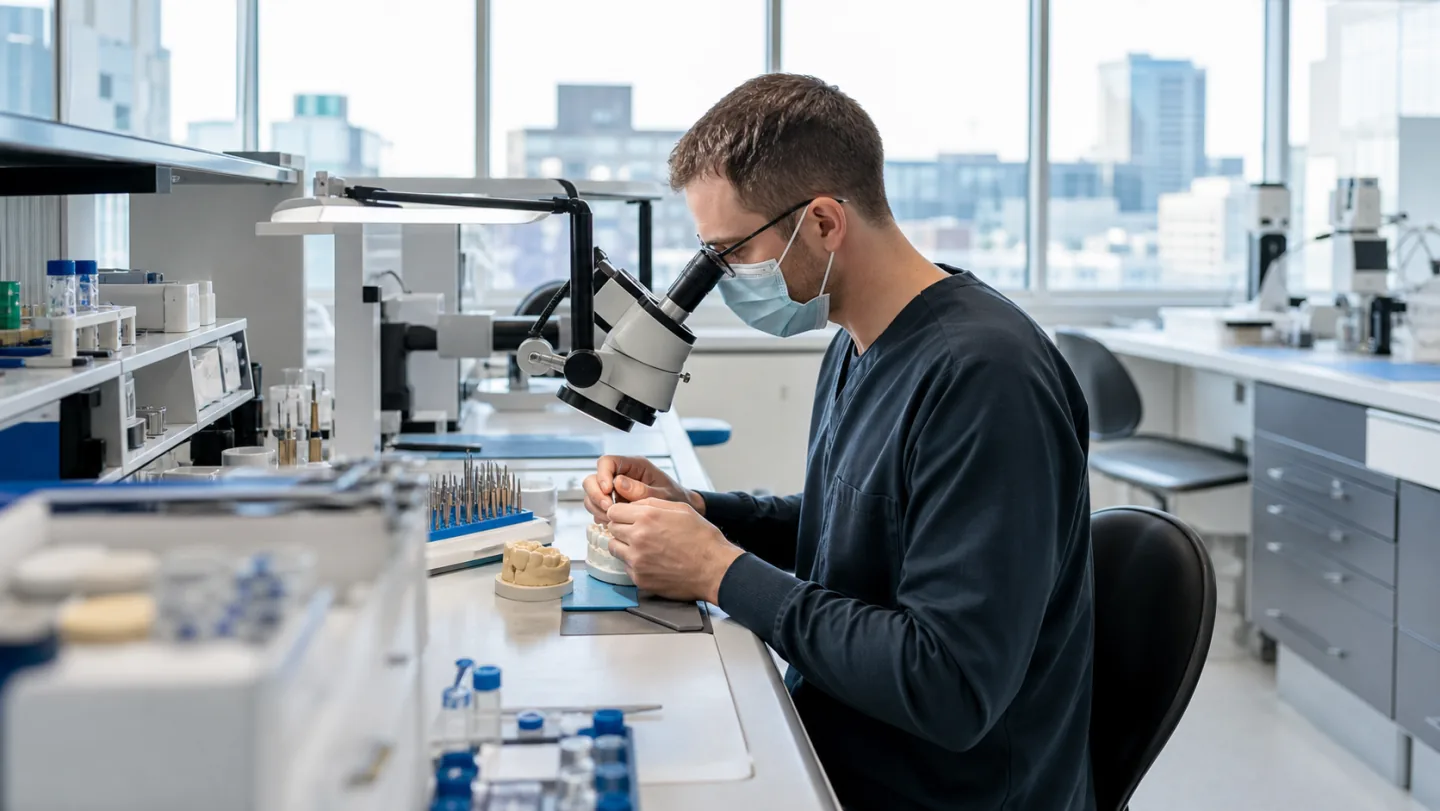
A dental laboratory technician crafting a custom restoration at a workbench
Looking out for someone’s dental work

Our Dental Laboratory for Scotia Heights Residents

When you help a relative day to day, you may be the first to spot a denture that has stopped fitting. Scotia Heights residents in this role may find this guide useful.

Let's find a time

Request an appointment

We’ll call to confirm your appointment. For urgent care, please call us directly.

For helpers and caregivers

Supporting Someone Who Relies on Custom Dental Work

Someone who wears a denture or has several crowns may not mention a problem, whether from habit or because they don’t want a fuss. If you help them with meals, errands or appointments, you might notice changes before they bring anything up. Softer food choices and a quieter way of talking can both be clues.

This page is for people in Scotia Heights who find themselves in that position. Care would take place at Winnipeg North Dental on McPhillips Street, and the person wearing the dental work remains at the centre of it. You can ask the clinic what your involvement could look like when you call.

Explore our dental laboratory
Reception desk at Winnipeg North Dental
A white front desk with plants and a blue bench alongside.

Watch how they eat

Avoiding certain foods can reflect a problem with fit or chewing.

Listen for changes

A new whistle on certain sounds, or a denture that slips, may be worth checking.

Respect their say

It’s their mouth, so include them in any conversation and decision.

What you might notice

Signs that are worth a closer look.

You aren’t expected to diagnose anything. Passing along what you’ve observed simply gives the dentist a clearer starting point for an assessment.

Around dentures and partials

The tissues underneath a denture may change shape over time, so a fit that was once fine might not stay that way.

  • It lifts or moves when they speak or eat.
  • They leave it out for longer than they used to.
  • They complain of soreness, or favour one side.
  • You see chips, cracks or signs of a home repair.

Around crowns and bridges

Problems with fixed work can be easier to miss, because nothing comes out for you to see.

  • They mention food getting stuck in a certain spot.
  • They stop chewing on one side of the mouth.
  • A tooth seems to have changed colour or shape.
  • Something feels loose, rough or high to them.

An observation isn’t a diagnosis, and only an examination can show whether any of these signs indicates something that needs treatment.

If they decide to be seen

Getting from a concern to an answer.

It can help to know the general shape of things before you suggest a visit. The details will depend on what the dentist finds and which piece is involved.

Request your visit
  1. 01

    Raise it gently

    Mention what you’ve noticed and ask how they feel about it. Hearing what they want will help you both decide on the next move.

  2. 02

    Assessment by the dentist

    The dental work and surrounding tissues are examined, and the patient hears the options. Adjustment, repair or replacement may all be considered.

  3. 03

    Records, if something’s to be made

    Impressions or scans may be needed along with bite and shade details. Some of this may require keeping still for a while, so comfort is worth raising.

  4. 04

    Fitting and fine-tuning

    Your relative can say how the piece feels, while the dentist looks at contact, bite and function. Further adjusting is common over the following period.

Practical help

A little groundwork goes a long way.

Gathering a few details ahead of time can spare your relative from having to remember everything on the spot. Check with them first about what they’re comfortable sharing.

Ask the clinic what would be needed if a relative wants you involved in their appointments or the conversation about their care.

Useful information to gather

  • An up-to-date list of their medications and health conditions.
  • Your notes on what has changed and roughly when it started.
  • The dental work itself, along with any broken pieces.
  • Anything that makes dental visits difficult for them.
Waiting area at the Winnipeg North Dental clinic
Consultation room at Winnipeg North Dental

Waiting-room seating below framed art, and chairs at a consultation desk.

Keeping their dignity in mind

Handle the subject with care.

Talking about dentures can feel surprisingly personal. People may worry about looking older or being a nuisance. Keeping the focus on eating comfortably and enjoying conversation can make it an easier subject to raise.

Let them lead

Where possible, allow them to describe the problem first, and add details only if they’d like you to.

Choose the moment

A quiet conversation away from the dinner table may be easier than one at a meal.

Avoid the quick fix

Well-meant home repairs with glue can do harm, so steer away from them.

Back home again

Support after the fitting.

New or adjusted dental work can take some getting used to. Encouragement helps, and so does an extra pair of eyes on anything that doesn’t seem to be settling down.

01

Sore spots that linger

Timely adjustments can improve comfort and protect the tissues, so encourage them to report any rubbing instead of quietly enduring it.

02

A denture in pieces

Collect every fragment, including tiny ones, and keep them protected until they can be brought to the clinic together with the denture.

03

Changes over time

Because tissues can continue to change, a denture that fits well today may need another look later on. Stay alert for the signs.

If you’re unsure whether something can wait, call the clinic and describe what you’re seeing.

Talk with our team
Exterior of the Winnipeg North Dental clinic on McPhillips Street

Winnipeg North Dental

Unit-5 2358 Mcphillips Street, Winnipeg, MB R2V 4J6
Get directions (opens in a new tab)
Scotia Heights families

Where Your Relative Would Be Seen

Scotia Heights is an area in Winnipeg, and care for its residents is provided at Winnipeg North Dental, Unit 5, 2358 McPhillips Street. Ask to have the dental work brought along.

Sending a request won’t secure a slot, as the clinic follows up to confirm. An urgent problem is better explained by telephone.

Questions about coverage?

Talk with our team before your visit or learn about CDCP.

A little clarity before your visit

Your questions, answered.

Helpful details about our dental laboratory in Scotia Heights.

Ask our team
I’m helping a relative in Scotia Heights. How do we ask about their dental work?

Together, you can call (204) 338-3003 or use the form on this page to explain the concern. Appointments take place at Unit 5, 2358 McPhillips Street, Winnipeg, MB R2V 4J6.

Can I speak to the clinic on someone else’s behalf?

Ask the clinic how it handles this when you call. It’s also wise to check first that your relative is happy for you to discuss their dental care.

Their denture is very old. Is it too late to do anything?

A long-worn denture can still be assessed. The dentist can examine the condition of the appliance and tissues, then explain what might be appropriate in their situation.

My relative says it’s fine, but I can see it moving. What should I do?

Share what you’ve noticed and listen to how they see it. The decision is theirs, but a look from a dentist could give you both more information.

What if a denture breaks while I’m helping with it?

Save all the pieces and store them safely, then call the clinic. Avoid household glue, as it can damage the material and make a professional repair harder.

Noticed something?

Pass on what you’ve seen.

Families in Scotia Heights can send this form to ask about a visit at our McPhillips Street clinic in Winnipeg. The clinic will be in touch to set a time.

Patient testimonials

Kind words from our patients

★★★★★ 5.0 from 440+ reviews on Google

Close to home

Areas we serve

Convenient dental care on McPhillips Street for families across northwest Winnipeg and nearby communities.

Explore all service areas

A healthier smile is one visit away

Ready for dental care that feels genuinely comfortable?

✓ New patients welcome ✓ Direct insurance billing ✓ Multilingual team

How can we help?

Our dental team is here for you.

Ready to book or have a question? Choose the option that works best for you.

For urgent dental concerns, please call us directly.

Send us a message

Our team will reply during clinic hours.



