Skip to content
Winnipeg North Dental
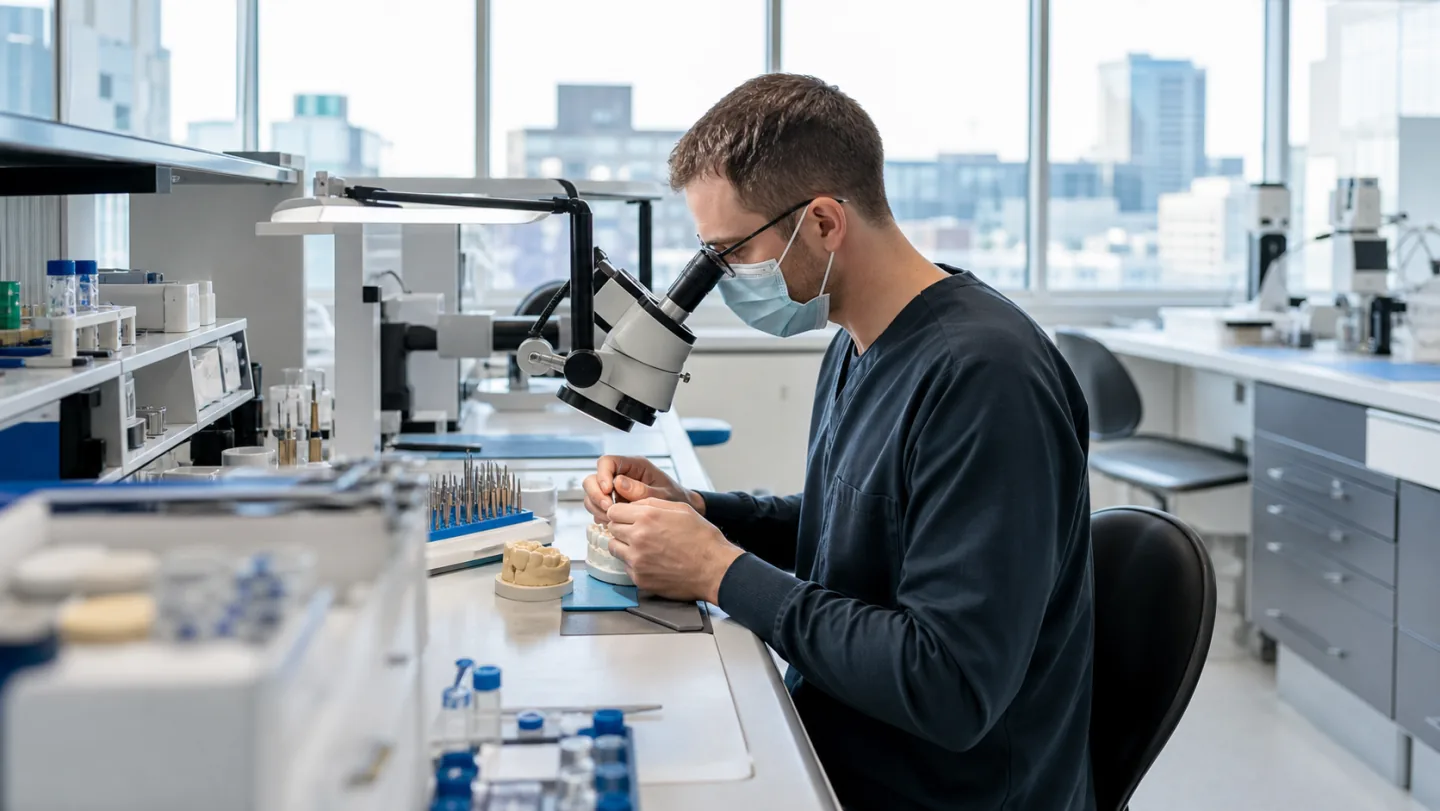
A dental laboratory technician crafting a custom restoration at a workbench
Chewing on one side for months

Our Dental Laboratory for Sage Creek Residents

When a tooth is damaged or missing, it’s easy to fall into the habit of eating only on the other side. Sage Creek residents getting a crown, bridge or denture can mention that habit to a dentist at our McPhillips Street clinic.

Let's find a time

Request an appointment

We’ll call to confirm your appointment. For urgent care, please call us directly.

The side you’ve been sparing

How One-Sided Chewing Fits Into Planning a Lab-Made Restoration

Favouring one side often starts as a way to avoid discomfort, and before long it feels automatic. Once a new piece is in, chewing on that side again can feel strange, even when the restoration fits well. Knowing this is common can make the first few meals less unsettling.

If home is Sage Creek, in Winnipeg, the tooth you’ve been sparing gets restored at Winnipeg North Dental on McPhillips Street. Your dentist records how your teeth meet and checks the finished piece against that bite in your mouth.

Explore our dental laboratory
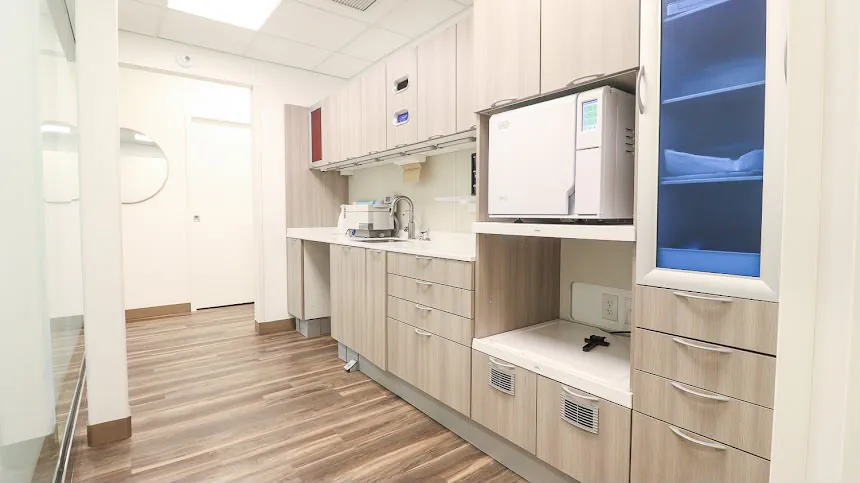
Organized clinical work area at Winnipeg North Dental
A clinical work area with drawers, a sink and a white appliance on a shelf, next to a doorway.

Your bite is recorded

Bite records show how the upper and lower teeth relate and move together.

Expect an unfamiliar feel

Using a side you’ve been avoiding may take some getting used to.

Report what you notice

A high spot or tender area is something to raise, not something to chew around.

The bite behind the piece

What your dentist considers about how you chew.

A restoration or denture has to share the load with the rest of your teeth. That means looking at more than the single tooth or gap being treated.

The neglected side

The treated area is where the new piece has to restore function, and its relationship with the opposing teeth matters.

  • Where the opposing teeth come into contact.
  • How the new piece meets its neighbours.
  • Whether the gum around it is tender.
  • How your jaw moves as you chew on that side.

The side doing the work

Teeth that have taken on extra chewing may be worth a look as part of the overall picture.

  • Any sensitivity on the side you’ve been using.
  • Existing restorations on the busier side.
  • How evenly your teeth meet when you close.
  • Anything your dentist notices while assessing your bite.

Only an examination can say whether the habit has affected your teeth. Mention it anyway, as it helps your dentist understand how you’ve been eating.

From records to first meal

The stages that bring the side back into use.

Restoring a tooth you’ve been avoiding happens in stages. Each one is a chance to share how the area has been feeling.

Request your visit
  1. 01

    Assessing the area

    Your dentist evaluates the damaged tooth or space, explains possible options and prepares the area. Let them know how long you’ve been avoiding that side.

  2. 02

    Recording shape and bite

    Impressions or scans capture the teeth and tissues, while bite records show how your jaws come together and move.

  3. 03

    Producing the piece

    The prescribed restoration or appliance is made from those records, so your bite information shapes the finished result.

  4. 04

    Checking and adjusting

    Your dentist looks at contact, bite, comfort, appearance and function, then adjusts the work or sends it back for refinement if needed.

Watch a few meals

Notice how you’ve been eating.

Habits like this can be hard to see in yourself. Pay attention to a few meals before your visit so you can describe what you’ve been doing.

If you’ve been avoiding certain foods entirely, mention them. It helps your dentist understand what you’d like to be able to eat again.

Observations to bring

  • Which side you tend to chew on, and for how long.
  • Foods you’ve stopped eating or cut into small pieces.
  • Whether the opposite side has started to feel tired or sore.
  • Any clicking or tension in your jaw while eating.
Dental treatment room at Winnipeg North Dental
Reception desk at Winnipeg North Dental

Wood-grain cabinets and a monitor behind a blue dental chair, and a front desk beside a glass doorway.

Easing back in

It’s fine to go gradually.

Your mouth may need time to trust the restored side again. Your dentist can talk with you about what to expect as you start using it.

Bite down gently

At the fitting, close slowly and notice whether one spot touches before the rest.

Speak up about tenderness

Mention any area that feels sore, even if it seems minor.

Ask about first meals

Ask whether there’s anything to keep in mind while you start chewing on that side.

Reclaiming the side

Watch how your bite settles in the weeks after.

Using the restored side regularly may reveal contacts that weren’t obvious at the fitting. Pay attention as you return to normal meals.

01

A tooth that hits first

If the new piece seems to touch before others when you close, have the bite looked at.

02

Falling back into the habit

If you notice you’re still avoiding the side, mention it and describe why.

03

Chips or cracks

A restored molar takes real force. If it chips, tuck the fragments away safely and resist any urge to glue them.

Sudden pain on the restored side, or a piece that comes loose, calls for ringing the clinic rather than typing a request.

Talk with our team
Exterior of the Winnipeg North Dental clinic on McPhillips Street

Winnipeg North Dental

Unit-5 2358 Mcphillips Street, Winnipeg, MB R2V 4J6
Get directions (opens in a new tab)
Where your bite is checked

Restoring Your Chewing Side at Our Winnipeg Clinic

From the first look at the tooth to the final bite check, Sage Creek patients are seen at Winnipeg North Dental, Unit 5, 2358 McPhillips Street, Winnipeg. Tap the map link for a route.

Your message through the form is a starting point only. Expect a call or note back from the clinic, and treat the visit as booked once you’ve agreed on a time together.

Questions about coverage?

Talk with our team before your visit or learn about CDCP.

A little clarity before your visit

Your questions, answered.

Helpful details about our dental laboratory in Sage Creek.

Ask our team
I’m in Sage Creek and only chew on one side. Where can I get that tooth looked at?

Winnipeg North Dental examines that kind of tooth at Unit 5, 2358 McPhillips Street, Winnipeg, MB R2V 4J6. Dial (204) 338-3003, or explain the one-sided chewing in the request form.

Why does the restored side feel strange after so long?

Your mouth has grown used to working without that area. A new contact can feel unfamiliar, but anything sore or high should still be described to your dentist.

How does the lab know how my teeth meet?

Bite records capture how your upper and lower teeth relate and move. The piece is made with that information, then checked in your mouth.

Can the new piece be adjusted if it hits too soon?

Often, yes. New contact points can appear as you chew, and timely adjustment helps your comfort and protects the surrounding tissues.

Do I need a temporary while the final piece is made?

A temporary may be placed to protect a prepared tooth and keep some function while the restoration is produced. Follow the instructions you receive for it.

Tired of favouring one side?

Let’s look at the tooth you’ve been avoiding.

Sage Creek residents ready to chew on both sides again can phone or send the form. Someone at McPhillips Street will come back to you about a first assessment.

Patient testimonials

Kind words from our patients

★★★★★ 5.0 from 440+ reviews on Google

Close to home

Areas we serve

Convenient dental care on McPhillips Street for families across northwest Winnipeg and nearby communities.

Explore all service areas

A healthier smile is one visit away

Ready for dental care that feels genuinely comfortable?

✓ New patients welcome ✓ Direct insurance billing ✓ Multilingual team

How can we help?

Our dental team is here for you.

Ready to book or have a question? Choose the option that works best for you.

For urgent dental concerns, please call us directly.

Send us a message

Our team will reply during clinic hours.