Skip to content
Winnipeg North Dental
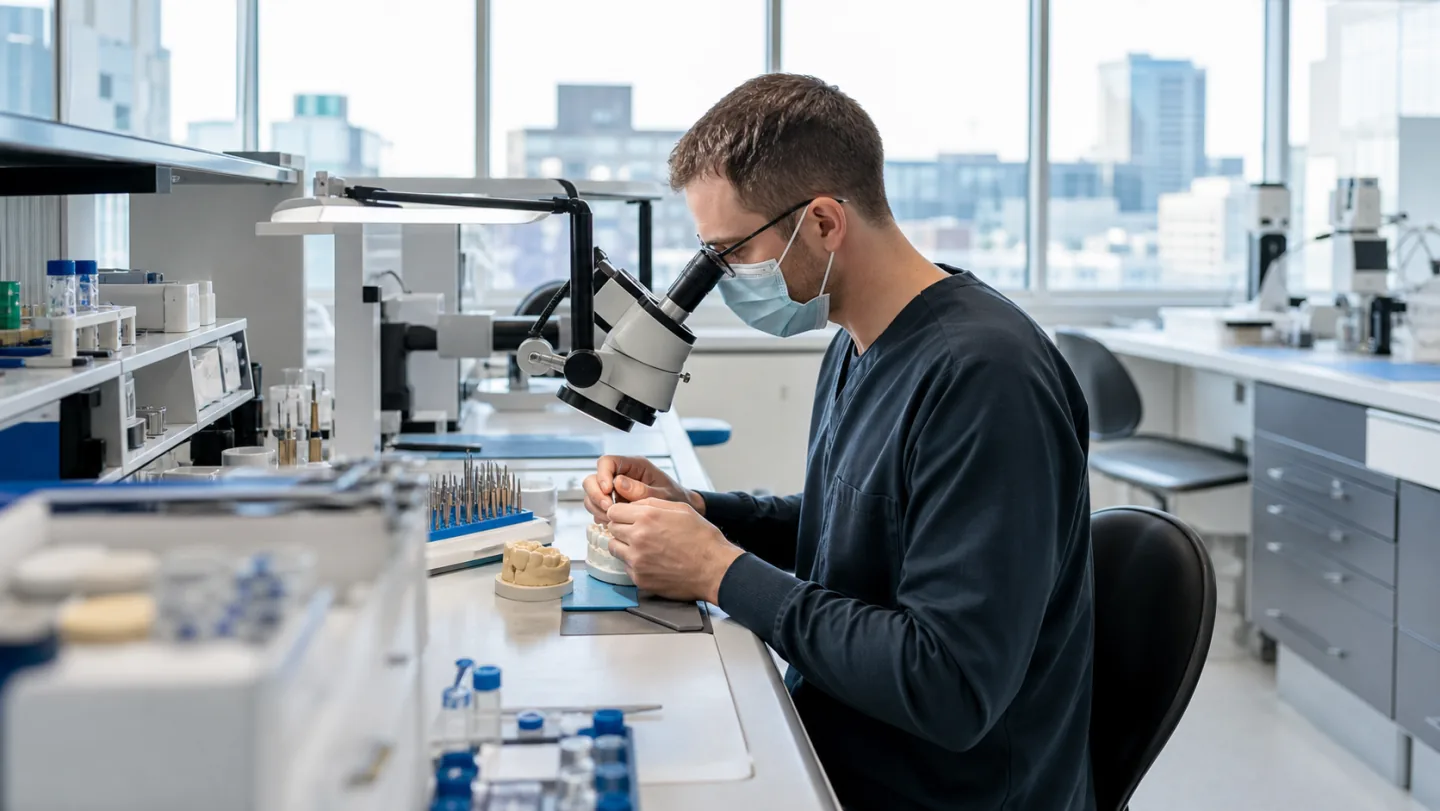
A dental laboratory technician crafting a custom restoration at a workbench
The records behind the craft

Our Dental Laboratory for Rivergrove Residents

Why all the scans, moulds and photos? If you live in Rivergrove and like to understand what’s being done and why, this is a plain guide to the records behind custom dental work.

Let's find a time

Request an appointment

We’ll call to confirm your appointment. For urgent care, please call us directly.

For people who want the details

What Your Dental Records Tell the Person Making Your Restoration

The technician shaping your restoration isn’t looking in your mouth, so clinical records have to carry that information. Each type answers a different question: what shape things are, how the teeth meet, what colour would blend in, and what the finished piece has to do.

If you’re a Rivergrove resident facing several restorations or a complicated case, you may want to follow this more closely than most. Your dentist at Winnipeg North Dental on McPhillips Street can tell you which records apply to your treatment and why each one is being taken.

Explore our dental laboratory
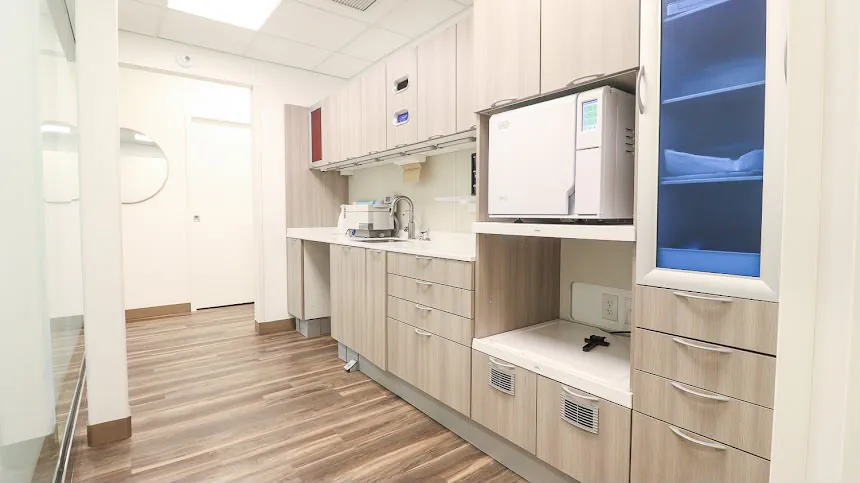
Organized clinical work area at Winnipeg North Dental
Careful organization, seen in a work area at our clinic.

Shape

An impression or digital scan documents your teeth along with the tissues around them.

Bite

These records describe how upper and lower teeth come together and travel against each other.

Shade and function

Colour details and treatment goals show how the work needs to look and perform.

Record by record

What’s collected, and what it’s used for.

Not every case uses every record. The list depends on the restoration or appliance your dentist is prescribing, and a complicated case may call for repeat or additional information.

Physical information

These records describe the geometry of your mouth, which the finished piece must match closely.

  • Impressions, a traditional way to capture tooth and tissue shape.
  • Digital scans, which capture the same kind of detail.
  • Bite records, showing how the two arches relate.
  • Additional records, when a first set doesn’t tell the whole story.

Visual and functional information

Fit alone doesn’t make a successful restoration, so your dentist also passes along how the work should look and behave.

  • Shade notes to help the piece blend in with your teeth.
  • Photographs, where they’d be informative.
  • Requirements around chewing, speech and retention.
  • The aim of the treatment as your dentist has planned it.

Ask which records your case needs, and whether scans or impressions will be used. The answer depends on the work being done.

When complex work spans visits

How information builds across appointments.

With larger treatment, planning and fitting may stretch across more than one visit. Here’s the logic behind that progression, so each appointment makes sense as you get to it.

Request your visit
  1. 01

    Assessment sets the brief

    Your dentist evaluates your needs, sets out your options and defines what the eventual work should accomplish, preparing teeth or tissues as appropriate.

  2. 02

    Records describe the brief

    The needed scans or impressions, bite data, shade and other details get gathered, turning the plan into information that can be acted on.

  3. 03

    Fabrication follows the brief

    What’s been prescribed is produced using those records. More information or a trial might be requested along the way.

  4. 04

    The fitting tests the brief

    Your dentist compares the result against the plan for contact, bite, comfort, looks and function, and adjusts or returns it if that’s what’s needed.

Getting the most from your visit

Come ready to ask how and why.

If understanding each step helps you feel more settled, say so at the start. Keeping a short list of questions on hand means you won’t lose track of them once the appointment is under way.

Larger treatment can be harder to budget for, so request estimated costs ahead of time, and talk with the clinic about any insurance or CDCP details.

Questions you might ask

  • Which records will you take today, and what are they for?
  • Will any more be needed later in my treatment?
  • When will I first see the work tried in my mouth?
  • Which of my medications or health details should you know about?
Dental treatment room at Winnipeg North Dental
Waiting area at the Winnipeg North Dental clinic

Spaces at the McPhillips Street clinic you may see during treatment.

While records are taken

Knowing the purpose can make it easier to sit through.

Holding still for a scan or impression is easier when you know why it’s being done. If you find any part of it uncomfortable or would like it explained first, please tell the person working with you.

Ask for a run-through

Before a record is taken, feel free to have someone describe what they’re about to do.

Raise any difficulties

Tell us ahead of time if you’ve had a hard time with impressions or scans before.

Report what you feel later

Your feedback at the fitting adds to what the records alone can show.

After the records have done their job

What the fitting can’t predict.

Records are detailed, but they can’t anticipate everything about daily use. What you experience at home is further information, and your dentist would want to know about it.

01

Tissues that change

A denture rests on tissue that alters shape with time, which can affect the fit even when the original records were accurate.

02

When a repair needs new records

Fixing a damaged piece might mean taking fresh information. Bring in all the fragments stored safely, and don’t use glue, which can distort the fit.

03

Feedback worth sharing

Point out where the piece rubs, catches or feels high, or whether it’s affecting your speech, and your dentist can evaluate that detail.

Want to know more about what was recorded for your treatment? Please ask.

Talk with our team
Exterior of the Winnipeg North Dental clinic on McPhillips Street

Winnipeg North Dental

Unit-5 2358 Mcphillips Street, Winnipeg, MB R2V 4J6
Get directions (opens in a new tab)
Living in Rivergrove?

Where Your Records Are Taken

Rivergrove is an area in the north part of Winnipeg, and if you live there your records and fittings would be done at Winnipeg North Dental, Unit 5, 2358 McPhillips Street. The page’s directions link shows you where that is.

We’ll need to confirm any time you ask for on the form, so nothing is set until you hear from the clinic. Urgent concerns are better handled by phone.

Questions about coverage?

Talk with our team before your visit or learn about CDCP.

A little clarity before your visit

Your questions, answered.

Helpful details about our dental laboratory in Rivergrove.

Ask our team
Where would a Rivergrove patient have scans or impressions taken?

They’d be taken at our clinic, Unit 5, 2358 McPhillips Street, Winnipeg, MB R2V 4J6, as part of a treatment appointment. You can start by calling (204) 338-3003 or using the form, then wait for the clinic to confirm your visit.

What’s the difference between an impression and a scan?

Both are ways to capture your teeth and surrounding tissues. An impression is a physical mould, and a scan records the same area digitally. Your dentist can explain what will be used for your case.

Why might my dentist need another record?

Sometimes additional information is required, for example when work is complex or a trial has shown that something needs changing. Getting that detail right can help guide the refinement.

Why are photographs part of my records?

They can help convey shade and surface characteristics, so the restoration has a better chance of blending in. Photographs aren’t needed for every piece, and your dentist decides when they’re useful.

Do accurate records mean no adjustments are needed?

No. Adjustments are a normal part of many custom treatments, because contact points can appear once you’re chewing and talking. Records guide the work, and the fitting and follow-up refine it.

Will complex work need more appointments?

It may. Treatment with several components can involve more than one planning or fitting visit, and timing depends on the complexity, materials and laboratory steps. Ask your dentist to describe the sequence.

Enjoy knowing the details?

Ask us to walk you through your records.

Rivergrove residents are invited to send an appointment request to Winnipeg North Dental in Winnipeg. Nothing is booked until the clinic replies to you and a time is agreed.

Patient testimonials

Kind words from our patients

★★★★★ 5.0 from 440+ reviews on Google

Close to home

Areas we serve

Convenient dental care on McPhillips Street for families across northwest Winnipeg and nearby communities.

Explore all service areas

A healthier smile is one visit away

Ready for dental care that feels genuinely comfortable?

✓ New patients welcome ✓ Direct insurance billing ✓ Multilingual team

How can we help?

Our dental team is here for you.

Ready to book or have a question? Choose the option that works best for you.

For urgent dental concerns, please call us directly.

Send us a message

Our team will reply during clinic hours.