Skip to content
Winnipeg North Dental
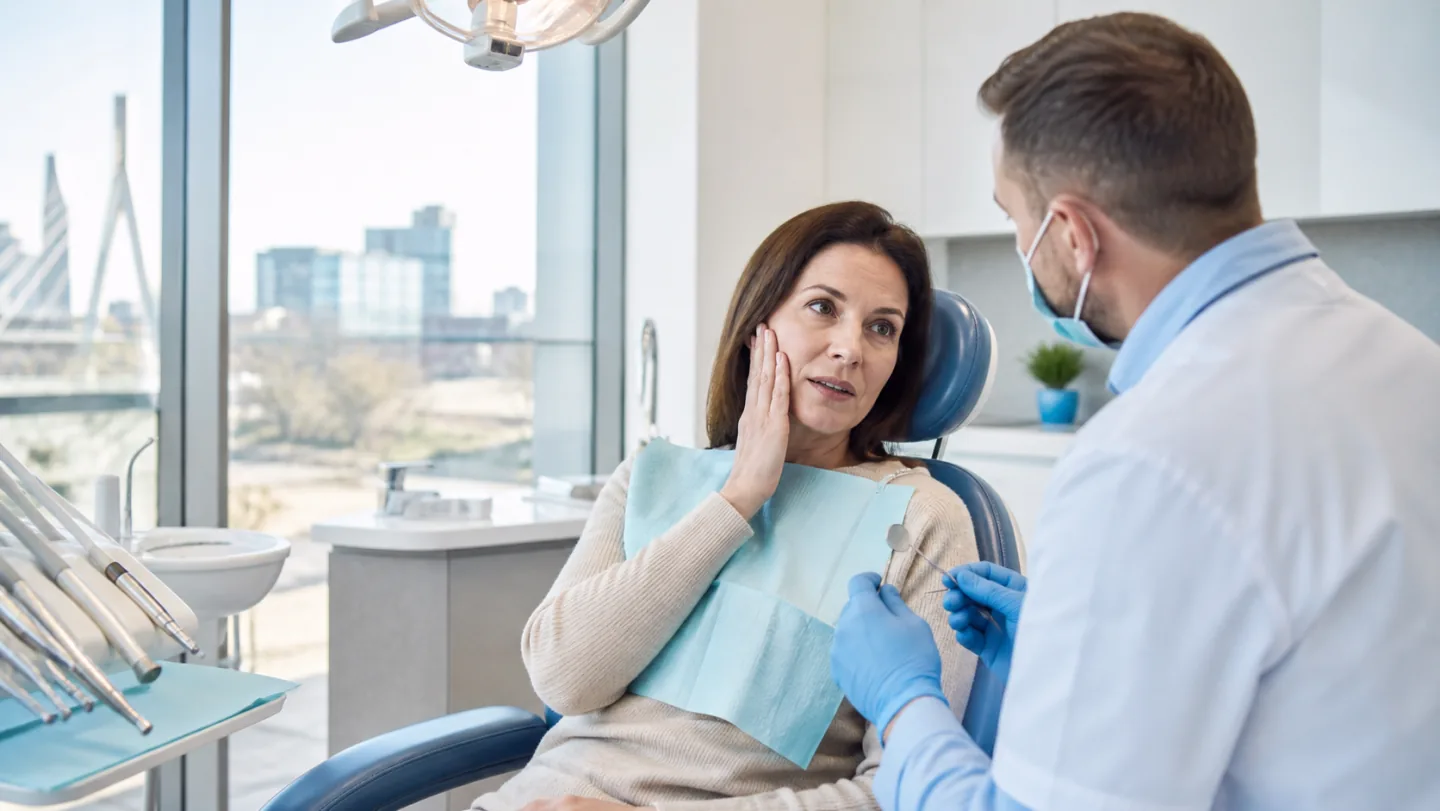
A compassionate dentist listening to a patient experiencing sudden tooth pain
Before you try that home remedy

Emergency Dentistry for Old Kildonan Residents

When a tooth acts up, everyone seems to have a trick that worked for them. Some simple steps may help for a while, some can do harm, and none of them replaces an examination.

Let's find a time

Request an appointment

We’ll call to confirm your appointment. For urgent care, please call us directly.

Sorting advice from myth

What to Do at Home, and What to Leave Alone

A dental problem at an inconvenient moment sends most people straight to the medicine cabinet or a search engine. You will find plenty of confident advice, much of it contradictory. If you are in Old Kildonan and trying to figure out what is safe to try on a painful or broken tooth, a short list of sensible first steps is more useful than a long list of tricks.

The approach is simple: protect the area, avoid anything that might make things worse, and phone. Winnipeg North Dental can ask about what is happening and help judge how soon you should be seen at our clinic on McPhillips Street in Winnipeg. Home measures only hold things for a time, so treat them as a bridge to care.

Explore emergency dentistry
Small white chair between two seats by the window at Winnipeg North Dental
Window seating in the waiting area at our clinic.

Salt water may help

Rinsing with warm salt water and cleaning gently are reasonable starting points for a sore tooth.

Keep glue away

Household adhesive has no place in your mouth, even for a crown that has come loose.

Do not stop at the fix

Feeling a little better at home is not the same thing as dealing with the cause.

Do this, not that

Sensible first steps for four common problems.

Each of these steps is meant only to protect the area while you arrange care. Call first whenever you can, because the right advice depends on what has actually happened.

Worth doing

These are simple, low-effort measures that may protect the tooth or make you more comfortable for now.

  • Toothache or swelling: a warm salt-water rinse, with careful cleaning around the area.
  • Broken tooth: a gentle rinse, saved pieces and a cool compress outside the face if it swells.
  • Knocked-out adult tooth: hold it by the crown and keep it moist in milk or a preservation solution.

Worth avoiding

These common ideas are tempting in the moment, but each of them can get in the way of protecting the tooth.

  • Resting aspirin or any other medication directly against a gum or tooth.
  • Using household glue to reattach a crown or filling.
  • Scrubbing a knocked-out tooth, touching its root or reinserting a baby tooth.

Home remedies are beside the point when the warning signs are serious. Difficulty breathing or swallowing, severe facial swelling, bleeding that keeps going, loss of consciousness or a serious injury to the face are reasons to call 911 or go for emergency medical care.

When home care has reached its limit

What the dentist can do that you cannot.

An examination gives you something a home remedy never can: an explanation. The steps below are what you would typically expect.

Request your visit
  1. 01

    Tell us what you have tried

    When you call, explain what happened, how it has changed and what you have used on it. The clinic’s questions are designed to help determine how urgent this is.

  2. 02

    Get it properly examined

    The dentist goes over your symptoms and looks at the area directly, adding X-rays if they would be useful in finding the source.

  3. 03

    Have the immediate risk addressed

    Sharp edges, discomfort and risk to the tooth can be taken care of as far as the situation allows.

  4. 04

    Hear what the real fix would be

    You and the dentist go through the diagnosis and options. Any treatment that cannot be finished then is planned for a follow-up visit.

A tidy first-aid shelf

A few things are worth having at home.

You do not need a special kit. Salt, a clean cold compress and a small container for any broken pieces should be enough for most of the steps described on this page.

When you come to your appointment, do mention any product you have tried on the tooth. It can be a useful detail for the dentist to have.

When you head to the clinic

  • Pieces of tooth, or any filling or crown that has come out.
  • The names of any medications or products you have used for the pain.
  • Your regular medications, and any allergies you have.
  • Your ID, with insurance or CDCP details where relevant.
Treatment chair with wood cabinetry and flooring at Winnipeg North Dental
Consultation desk with a framed picture on the wall at Winnipeg North Dental

Inside a treatment room and consultation room at our clinic.

No need to feel silly

Everyone tries something before they call.

You may feel foolish admitting that you tried something you read about online. There is no need for that, since the dentist simply needs an accurate picture of what the tooth has been exposed to.

Be honest about what you used

Clove oil, gels or a bit of denture adhesive are all worth mentioning, however small they seem.

Ask your remedy questions

Bring along that piece of advice you could not verify, and ask about it directly.

Ask what is safe to continue

If you are unsure what to keep doing at home, ask before you leave the clinic.

Beyond the quick fix

Leave the remedies behind when treatment begins.

After an examination, you can stop guessing. The dentist’s instructions replace whatever you have read, and any further treatment deals with the underlying cause.

01

Follow the advice you were given

Your home care instructions are based on your own mouth, so give them priority over general tips.

02

Keep the follow-up visit

Temporary protection is only temporary, and definitive treatment is what the first visit often points toward.

03

Call instead of searching

If a new symptom makes you wonder what to do, phoning the clinic is more reliable than looking it up.

Noticed new swelling or sharper pain since your visit? Please let the clinic know rather than trying something else at home.

Talk with our team
Exterior signage and glass doors at the Winnipeg North Dental clinic

Winnipeg North Dental

Unit-5 2358 Mcphillips Street, Winnipeg, MB R2V 4J6
Get directions (opens in a new tab)
From Old Kildonan to the clinic

Where to Go Once Home Care Is Not Enough

Old Kildonan is in Winnipeg, and patients from the area receive their care at Winnipeg North Dental, Unit 5, 2358 McPhillips Street, Winnipeg, MB R2V 4J6.

A tooth problem that is painful or changing calls for a phone call to (204) 338-3003. Use the online form for non-urgent requests, which are confirmed by the clinic and do not hold a time on their own.

Questions about coverage?

Talk with our team before your visit or learn about CDCP.

A little clarity before your visit

Your questions, answered.

Helpful details about emergency dentistry in Old Kildonan.

Ask our team
Does a salt-water rinse actually help a toothache?

It may offer some comfort and helps keep the area clean, but it does not treat the cause. Use warm salt water, clean gently around the tooth and contact the clinic about what is behind the pain.

My relatives say to hold aspirin on the sore spot. Should I?

No. Aspirin and other medications should not be placed directly on the gum or tooth. If you have questions about what you can take for pain, ask when you speak with the clinic.

Can I use superglue or a drugstore product on my crown?

Do not use household glue. Keep the crown safe, avoid hard or sticky foods, and call the clinic about what to do. Ask about any drugstore product before relying on it.

Should I put a knocked-out tooth back in or store it in water?

Do not put a baby tooth back. For an adult tooth, handle it only by the crown, rinse it gently if it is dirty, keep it moist in milk or a tooth-preservation solution, and call at once.

How long can I manage this at home?

Home care is there to protect the area while you arrange treatment, not to replace it. How long you can safely wait depends on the problem, so speak with the clinic instead of waiting to see.

Whom should Old Kildonan residents call for advice?

Winnipeg North Dental can be reached at (204) 338-3003. Tell us what happened and what you have tried. We can then advise you on your next step and how soon to come in.

Your next step is simple

Put down the search and pick up the phone.

Call if your tooth hurts, is swollen or has been injured. For something less pressing, you can use the form below, and the clinic will contact you about it.

Patient testimonials

Kind words from our patients

★★★★★ 5.0 from 440+ reviews on Google

Close to home

Areas we serve

Convenient dental care on McPhillips Street for families across northwest Winnipeg and nearby communities.

Explore all service areas

A healthier smile is one visit away

Ready for dental care that feels genuinely comfortable?

✓ New patients welcome ✓ Direct insurance billing ✓ Multilingual team

How can we help?

Our dental team is here for you.

Ready to book or have a question? Choose the option that works best for you.

For urgent dental concerns, please call us directly.

Send us a message

Our team will reply during clinic hours.



