Skip to content
Winnipeg North Dental
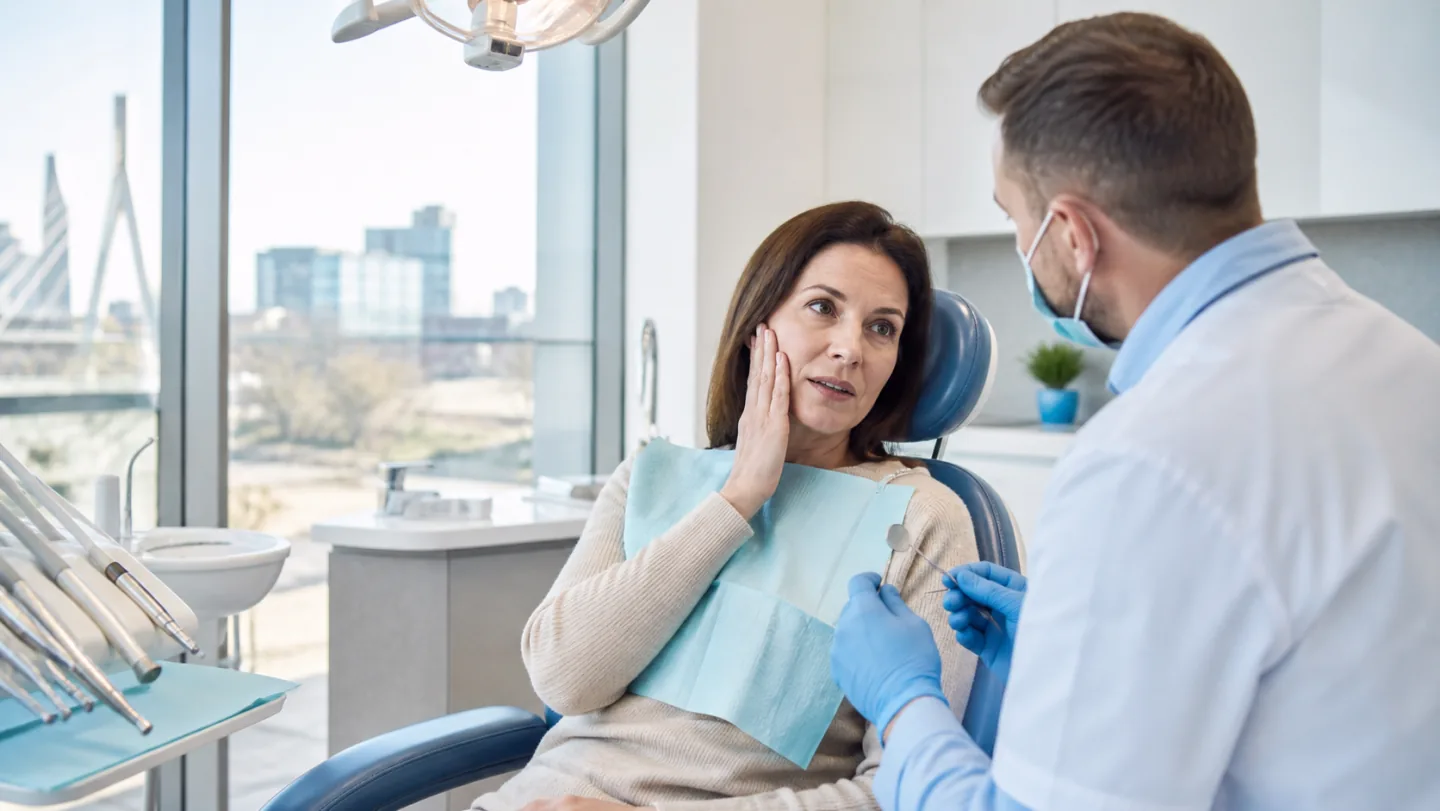
A compassionate dentist listening to a patient experiencing sudden tooth pain
The hospital said to see a dentist

Emergency Dentistry for Aurora Residents

Once the immediate medical risk has been handled, the tooth itself may still need care. Call our clinic on McPhillips Street in Winnipeg and tell us about the hospital visit.

Let's find a time

Request an appointment

We’ll call to confirm your appointment. For urgent care, please call us directly.

After the medical part

The Dental Step That Comes After Hospital Care

Serious facial injuries and severe swelling belong in hospital care first, and you were right to go. But you may have come home with a tooth that is still broken, loose, or sore, and advice to follow up with a dentist. That follow-up is the part this page deals with.

Aurora residents are looked after at Winnipeg North Dental, which is on McPhillips Street in Winnipeg. Call and explain what brought you to the hospital, what you were told there, and how your mouth feels now. We will ask about your symptoms and advise you on how soon you should be seen.

Explore emergency dentistry
White desk in a Winnipeg North Dental consultation room with a window with blinds and a snake plant
A snake plant by the window in a consultation room at our clinic.

Tell us the whole story

What happened, where you were treated, and what you have been advised all help the dentist.

Bring your paperwork

Any instructions or medication details you came home with can be useful at the dental visit.

Back to 911 if needed

New trouble with breathing, swallowing or bleeding means going straight back to medical care.

What may still need attention

Hospital care and dental care have different jobs.

Emergency medical staff address the immediate risk to your health. A dentist then looks closely at teeth, restorations and the source of any dental problem.

After an injury to the face or mouth

A fall or collision can leave teeth fractured, loosened or moved out of place, and sometimes this becomes obvious only once other injuries settle.

  • Hold on to any pieces of tooth that were saved.
  • Stay off the injured side when you chew, if that is possible.
  • Describe teeth that feel different when you close your mouth.
  • Mention any scans or X-rays that were taken at the hospital.

After serious swelling or infection

If a dental problem was behind your swelling, the source still has to be identified and addressed by a dentist.

  • Report whether swelling is going down, staying put or spreading.
  • List any medication you were prescribed, along with your other medicines.
  • Mention a fever, a bad taste or drainage if you have noticed them.
  • Do not put aspirin or similar medication directly against your gum.

Follow the instructions from your medical team. Let the dentist know about them, so your dental care can take them into account.

Picking up where they left off

How your dental visit fits in afterward.

We will not assume the hospital visit answered every question about your teeth. In general, this is how the dental part proceeds.

Request your visit
  1. 01

    A call to catch us up

    Share what the hospital treated and how you are doing now. These details, along with your present symptoms, help us judge the timing of your visit.

  2. 02

    A dental examination

    The dentist looks over the affected teeth and tissue and goes through your symptoms again. Dental X-rays may be taken when they would add information.

  3. 03

    Attention to what is urgent

    Remaining discomfort, sharp edges or risks to a tooth can be addressed. Infection is dealt with according to what the dentist finds.

  4. 04

    A clear account of the options

    You hear the diagnosis and realistic choices for treatment. Anything that cannot be finished at this appointment is arranged for later.

From the hospital to here

What to have on hand.

You may still feel worn out, so keep it simple. Gather what you already have, and do not worry about whatever you were not given.

Any new difficulty breathing or swallowing, spreading facial swelling, bleeding that you cannot control, or loss of consciousness calls for 911 or emergency medical care right away.

Papers and items for the visit

  • Discharge notes or any written instructions you were given.
  • Names of medications, including anything newly prescribed, and any allergies.
  • Broken tooth pieces or dental work you were able to keep.
  • Your ID, plus any insurance or CDCP details.
Dental treatment room at Winnipeg North Dental with light wood floors and white upper cabinets
Reception area at Winnipeg North Dental with a plant and a bench beneath framed artwork

A treatment room and the reception area at our clinic.

It has been a hard few days

We can take this slowly with you.

After an accident or a frightening episode of swelling, it is natural to feel on edge about someone working near your face. Say so, and let us know which areas are still tender.

Point out what is tender

Bruising or soreness elsewhere on your face matters too, so let the dentist know before the examination begins.

Have the plan explained

It can be a relief to hear what will happen next, so ask for an explanation before any step that worries you.

Pause and ask

If you feel overwhelmed during your visit, tell the dentist and raise whatever is on your mind.

The recovery ahead

Your teeth may need a little more time.

An injury or infection may take several stages of care to resolve. Ask for a clear picture of which treatments should come first and which can follow later.

01

Later dental repair

Fractured teeth or lost restorations may be restored at a separate appointment, once the dentist has decided on a suitable approach.

02

Keeping everyone informed

If your physician gives you new instructions or changes a medication, pass that on when you next speak with the clinic.

03

Reporting setbacks

Should tooth pain or swelling return, phone us and describe it. Severe symptoms still call for emergency medical care.

Unsure whether a new symptom is dental or medical? Severe symptoms go to emergency care; call us about the rest.

Talk with our team
Modern storefront of Winnipeg North Dental with navy siding and a white sign panel

Winnipeg North Dental

Unit-5 2358 Mcphillips Street, Winnipeg, MB R2V 4J6
Get directions (opens in a new tab)
For your follow-up

Where Aurora Residents Receive Dental Follow-Up

This care takes place at Winnipeg North Dental, Unit 5, 2358 McPhillips Street, Winnipeg. Open the directions link to see the location on a map.

Because the timing of your care depends on your symptoms, call (204) 338-3003 rather than using the form. A form submission is only a request until the clinic confirms a time.

Questions about coverage?

Talk with our team before your visit or learn about CDCP.

A little clarity before your visit

Your questions, answered.

Helpful details about emergency dentistry in Aurora.

Ask our team
The hospital told me to see a dentist. How quickly should that happen?

Phone the clinic promptly and repeat what you were told. We will ask about your symptoms and use that to guide you on how soon to come in.

Do you need the hospital’s records?

Bring whatever written information you were given, even if it seems minor. If the dentist would find something further helpful, ask how that can be requested.

I was given medication at the hospital. Should I still take it?

Follow the directions you received from your medical team, and tell the dentist what you are taking. Questions about the prescription itself should go to whoever prescribed it.

My face looks better now but the tooth still hurts. Is that normal?

An improvement in swelling does not necessarily mean a dental problem has gone. Pain that persists should be examined, since the source may still be there.

What should send me back to the hospital rather than to you?

Return to emergency medical care or call 911 for breathing or swallowing trouble, severe swelling in your face, uncontrolled bleeding, a loss of consciousness or a serious facial injury.

How do Aurora residents arrange a dental visit after hospital care?

Call (204) 338-3003 and explain that you were recently treated at a hospital. Our McPhillips Street clinic can then ask the questions that help us advise you on next steps.

Hospital visit behind you?

Let the dental part be your next call.

Phone (204) 338-3003 with what you were told. Non-urgent questions can come through the request form for the clinic to answer.

Patient testimonials

Kind words from our patients

★★★★★ 5.0 from 440+ reviews on Google

Close to home

Areas we serve

Convenient dental care on McPhillips Street for families across northwest Winnipeg and nearby communities.

Explore all service areas

A healthier smile is one visit away

Ready for dental care that feels genuinely comfortable?

✓ New patients welcome ✓ Direct insurance billing ✓ Multilingual team

How can we help?

Our dental team is here for you.

Ready to book or have a question? Choose the option that works best for you.

For urgent dental concerns, please call us directly.

Send us a message

Our team will reply during clinic hours.



