Skip to content
Winnipeg North Dental
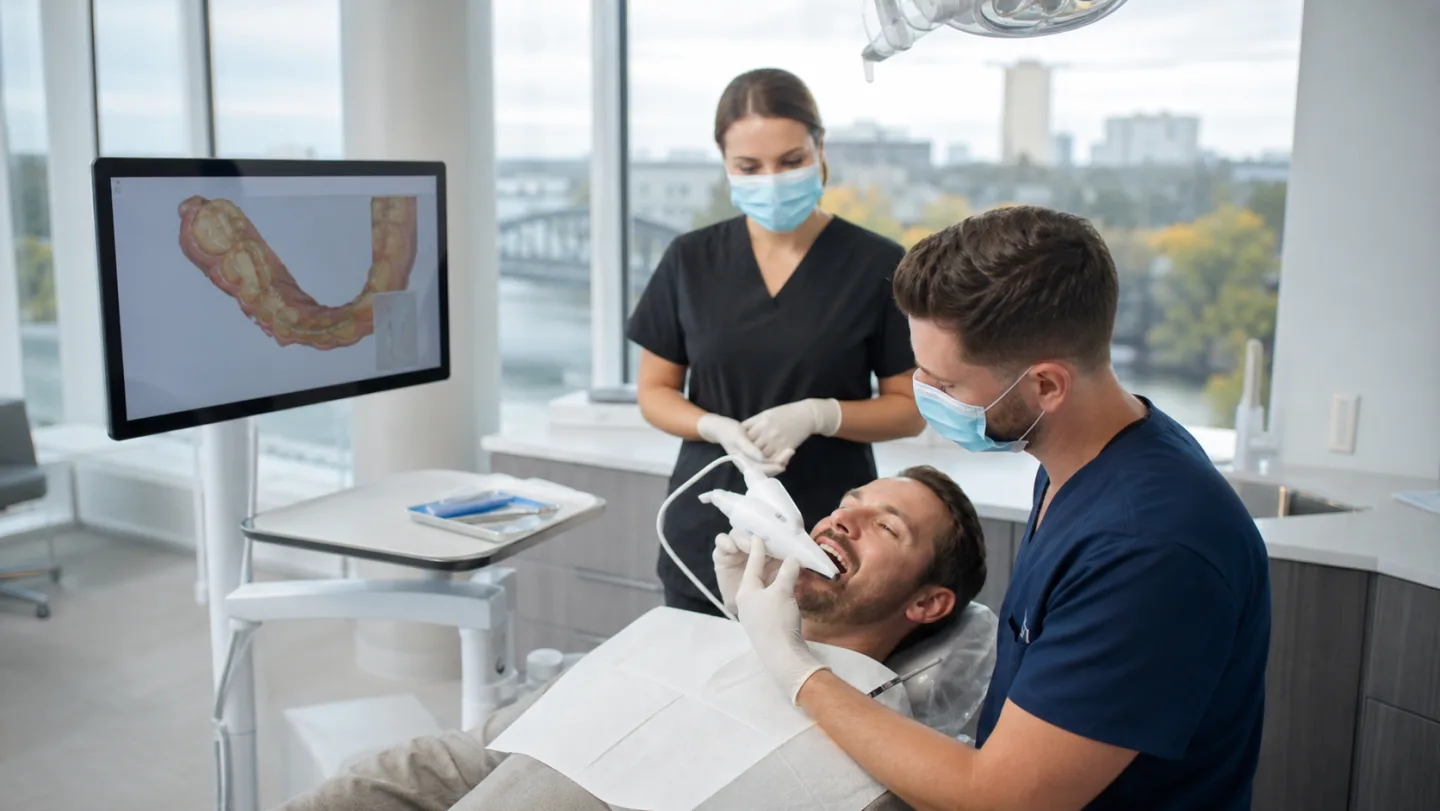
A dentist using a digital scanner while planning a custom dental crown
A twinge with every cold sip

Dental Crowns for Waverley West Residents

A freshly prepared or crowned tooth can react to temperature, and that can be unnerving when you are not sure what is normal. For Waverley West residents, this page explains which sensations tend to settle, which ones to report, and how follow-up works at Winnipeg North Dental on McPhillips Street.

Let's find a time

Request an appointment

We’ll call to confirm your appointment. For urgent care, please call us directly.

Sensitivity in context

Why a Treated Tooth Can Feel Touchy for a While

Shaping a tooth for a crown is real work on living structure, and the gum next to it is handled too. Afterward, it is common to notice some temporary sensitivity, or for the gum to feel tender. The source information for this treatment describes this as something that should improve rather than persist.

Crowns for people living in Waverley West, a Winnipeg neighbourhood, are prepared and fitted on McPhillips Street, and questions about how the tooth feels come back there too. The distinction worth learning is between discomfort that gradually fades and signs that are not following that pattern. When sensitivity is not improving as expected, the clinic wants to hear about it.

Explore dental crowns
Black office chairs around a white desk beneath a framed landscape print in the Winnipeg North Dental consultation room
A meeting table in white with black chairs, a keyboard and a framed seascape print.

Expected and easing

Mild twinges and gum tenderness after treatment are common and normally become less noticeable over time.

A pattern to watch

Sensitivity that stays the same, grows stronger or starts waking you up is worth reporting to the clinic.

Bite can play a part

A crown that contacts too heavily can make a tooth feel sore, and that should be checked and adjusted.

The reason behind the crown

Support for a tooth that has been through a lot.

Crowns are recommended when a tooth needs more reinforcement than a filling could provide. The crown covers what you can see of the tooth and restores both shape and chewing surface.

Teeth that commonly need coverage

Each of these situations leaves a tooth more vulnerable to further breakdown.

  • Patchwork of past fillings that has left the tooth structurally thin.
  • Teeth at the back that are fragile following root canal care.
  • Visible cracks, or cusps worn low by clenching and grinding.
  • Broken-down outlines that no longer give a working chewing surface.

Things that can add to sensitivity

These factors may influence how a tooth feels before or after crown treatment.

  • A tooth that was already sensitive or cracked before treatment.
  • Deep decay or earlier damage close to the nerve.
  • A bite that lands too firmly on the new crown.
  • Gum irritation around the temporary or the final crown edge.

Only an examination can explain why your tooth feels the way it does. Suitability for a crown is decided at assessment.

From records to cementing

When sensitivity tends to show up.

There are generally two clinical stops on the way to a custom crown, each with its own chance of leaving the tooth briefly touchy: shaping with records, and later the fitting. Material and plan set the spacing between them.

Request your visit
  1. 01

    Assessing the tooth before work begins

    The tooth, root, gums and bite are evaluated, along with suitable X-rays. Mention any existing sensitivity so it is part of the picture.

  2. 02

    Preparation under freezing

    The tooth is numbed and shaped, then a scan or impression, shade notes and a bite record are taken. Twinges may follow once the numbness ends.

  3. 03

    The temporary phase

    A temporary crown may cover the tooth for now. It needs gentle cleaning and no sticky foods, and some temperature sensitivity may be noticed.

  4. 04

    Placement and adjustment

    The finished crown is tested against its neighbours and your closing pattern, and its look and seating are reviewed; refinements happen first, cement last.

Keeping track

Notes that make a follow-up call useful.

If you do phone about sensitivity, a few specific details help the clinic understand what is happening.

Strong pain, swelling, or a crown that has come loose are reasons to call promptly, not to wait and watch.

What to jot down

  • Whether the twinge comes with cold, heat, sweet foods or biting.
  • How long the feeling lasts once the trigger is gone.
  • Whether it is getting milder each day, staying level or worsening.
  • Whether the tooth feels like it meets the others before they touch.
Dental treatment chair in soft blue beside a sink and storage cabinets in a Winnipeg North Dental room
Abstract painting and a white desk in the bright reception area of Winnipeg North Dental

A pale blue dental chair near cabinets, and a reception counter with a plant on top.

Easing through the first days

Everyday choices while the tooth settles.

Freezing is normally used during preparation, so you may notice pressure or vibration rather than pain. Once it wears off, simple choices can make the next few days easier while any tenderness fades.

Go easy on extremes

If very cold or very hot drinks trigger a twinge, it is reasonable to choose milder temperatures for a few days.

Keep cleaning gently

Brush and clean between your teeth softly around the tooth instead of skipping it, so the gum can recover.

Ask how long is normal

At your appointment, ask what timeline of improvement you should expect for your particular tooth.

Long after the twinges stop

Protecting the tooth beneath the crown.

The crown cannot decay, but the natural tooth at its margin still can. Cleaning that edge carefully and coming in for examinations helps the crown, tooth and gums be monitored.

01

Note new sensitivity later

If a crowned tooth that was comfortable becomes sensitive months later, mention it, because the nerve can be affected.

02

Ease grinding forces

Clenching and grinding put heavy loads on crowns, so ask whether a protective appliance would help.

03

Book routine checkups

Regular examinations give the dentist a chance to look at the crown edge, the tooth and the surrounding gum.

Contact the clinic if the crown feels high, loosens, frays your floss, traps food, or sensitivity is not easing the way it should.

Talk with our team
Winnipeg North Dental’s frosted windows and doors beneath a large sign with its logo and phone number

Winnipeg North Dental

Unit-5 2358 Mcphillips Street, Winnipeg, MB R2V 4J6
Get directions (opens in a new tab)
When to get in touch

Crown Follow-Up for Waverley West Residents

Waverley West residents have crown treatment and follow-up at Winnipeg North Dental, Unit 5, 2358 McPhillips Street, Winnipeg. A directions link next to the address will help you plan the trip.

For pain that is worsening, swelling or a broken tooth, phone (204) 338-3003 rather than filling in the form. The clinic confirms all online requests before they become appointments.

Questions about coverage?

Talk with our team before your visit or learn about CDCP.

A little clarity before your visit

Your questions, answered.

Helpful details about dental crowns in Waverley West.

Ask our team
Is it normal for a new crown to be sensitive to cold?

Some temporary sensitivity after crown treatment is common and should improve. If it lingers or gets stronger, call the clinic.

Could my bite be causing the soreness?

It could. A crown that meets the opposing tooth too firmly can make a tooth tender, and it should be checked and adjusted.

Can a crowned tooth eventually need a root canal?

Yes. Deep decay, cracks, past damage or other factors can inflame the nerve, either before or after the crown is placed.

My gum is sore around the crown. Is that expected?

Gum tenderness can follow preparation and placement and usually improves. If it persists, bleeds a lot or swells, contact the clinic.

Should I stop brushing the sensitive tooth?

No. Gentle but thorough cleaning around the crown margin matters, because the natural tooth at that edge can still decay.

How can Waverley West residents ask about crown sensitivity?

Call (204) 338-3003 and describe what you are feeling. Assessment and any adjustment happen at the clinic on McPhillips Street.

Comfort after treatment

Request a crown visit or a sensitivity check.

Send your request for the McPhillips Street clinic, and the clinic will reach out to set a time that works.

Patient testimonials

Kind words from our patients

★★★★★ 5.0 from 440+ reviews on Google

Close to home

Areas we serve

Convenient dental care on McPhillips Street for families across northwest Winnipeg and nearby communities.

Explore all service areas

A healthier smile is one visit away

Ready for dental care that feels genuinely comfortable?

✓ New patients welcome ✓ Direct insurance billing ✓ Multilingual team

How can we help?

Our dental team is here for you.

Ready to book or have a question? Choose the option that works best for you.

For urgent dental concerns, please call us directly.

Send us a message

Our team will reply during clinic hours.



