Skip to content
Winnipeg North Dental
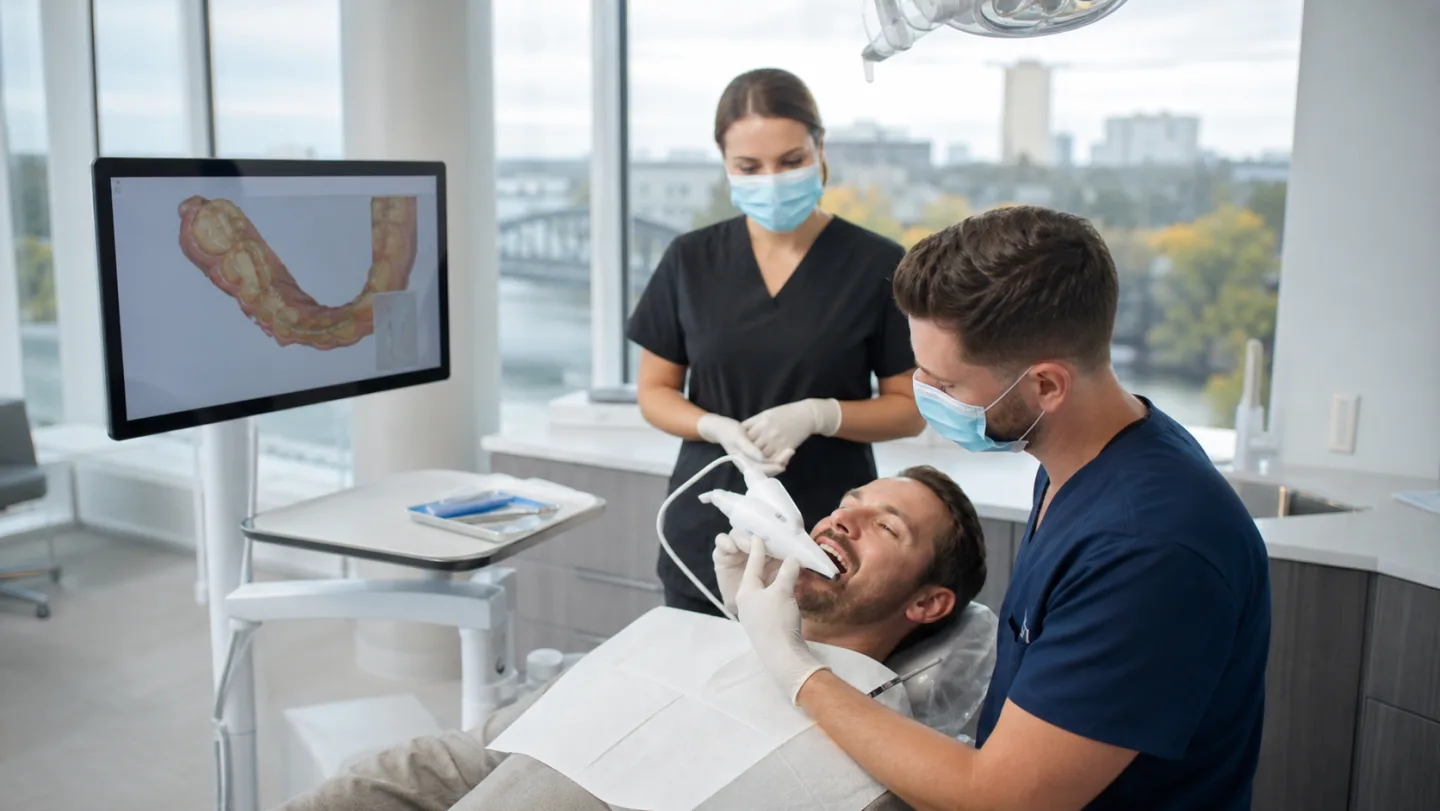
A dentist using a digital scanner while planning a custom dental crown
It is the freezing I dread

Dental Crowns for Sage Creek Residents

For some people the crown itself is not the issue at all; the injection is. If you live in Sage Creek and that is where your nerves sit, this page explains when local anesthetic is used during crown care and what you can say beforehand at Winnipeg North Dental on McPhillips Street.

Let's find a time

Request an appointment

We’ll call to confirm your appointment. For urgent care, please call us directly.

Where numbing comes in

Local Anesthetic Is Mainly About the Shaping Visit

Crown treatment involves reshaping a weakened tooth so a custom cover can fit over it. That preparation step is normally done with local anesthetic, so the tooth itself is numb while the work happens. People often describe what they feel during shaping as pressure or vibration rather than pain.

Sage Creek is a Winnipeg neighbourhood, and anyone from it having this done is cared for at the McPhillips Street clinic. If injections make you anxious, telling the team in advance is useful. You can ask what the numbing process involves for your tooth, and whether your placement visit is likely to need it too, so nothing comes as a surprise.

Explore dental crowns
White chairs, potted plants and a blue bench below abstract artwork in the Winnipeg North Dental waiting area
A navy bench and white chairs sit on a pale rug in a sunny waiting room.

Say it out loud

Letting the dentist know that needles worry you is a simple step that helps them pace things for you.

Numb tooth, aware mind

With freezing in place, you may still sense pushing and buzzing, which is expected rather than a sign of trouble.

Ask about each visit

Find out ahead of time which appointment in your plan will involve freezing, so you can prepare for it.

Why the work is worth it

What a crown does for a fragile tooth.

When a filling cannot give a tooth the support it needs, a crown covers the visible portion. That reinforces what is left, restores the shape and gives the tooth a fresh surface for biting.

Reasons a crown may be suggested

These are the structural concerns that can make full coverage the safer option.

  • So much filling in the tooth that its own walls are left weak.
  • A root canal–treated molar or premolar that may split more easily.
  • Cracking, or grinding damage across the chewing surface.
  • A shape too damaged to bite and chew the way it should.

Thoughts many anxious patients have

None of these are unusual, and each one is reasonable to raise before treatment.

  • Worry that the injection will hurt more than the tooth does.
  • Fear that the numbness will not take fully.
  • Discomfort with the feeling of a numb lip or cheek afterward.
  • Concern about losing control once treatment has started.

The exam is what confirms a crown is right for this tooth, and the same visit is a good time to talk openly about how the numbing could be approached for you.

The sequence, step by step

From the first look to a cemented crown.

A custom crown usually needs a preparation appointment, where records are taken, and a later placement appointment. How long the wait is between them varies by material and plan.

Request your visit
  1. 01

    Assessment first, no rush

    Before anything is decided, the tooth, root, gums and bite are evaluated, with appropriate X-rays, to confirm a crown is suitable.

  2. 02

    Freezing, then shaping

    Local anesthetic numbs the tooth before it is reshaped. A scan or impression is then taken, together with shade information and a bite record.

  3. 03

    Going home with a temporary

    A temporary crown may protect the shaped tooth while the final one is made. Brush gently around it and skip sticky foods.

  4. 04

    Seating the final crown

    At the last visit, fit, contacts, bite and appearance are reviewed, and the crown is adjusted as needed before it is cemented.

Telling us what helps

Things to share if needles worry you.

Nobody expects you to be fearless. The more the dentist knows about what unsettles you, the easier it is to approach the visit in a way that feels manageable.

Some of these are questions, not promises. What is possible depends on your tooth and your treatment.

Worth mentioning or asking

  • That injections are the main source of your anxiety.
  • Whether you would like each step explained before it happens.
  • How you will know the tooth is fully numb before shaping begins.
  • What to do if you start to feel anything sharp during the work.
Dental treatment chair in soft blue beside a sink and storage cabinets in a Winnipeg North Dental room
Black office chairs around a white desk beneath a framed landscape print in the Winnipeg North Dental consultation room

A blue treatment chair with its light arm, and a desk with chairs under a framed print.

During and after

What the numbness is like.

Once the freezing takes effect, the tooth and the soft tissue around it can feel heavy or strange. Pressure and vibration can come through even then. When sensation returns later, some temporary sensitivity or gum tenderness may follow and should improve.

Use a stop signal

Agreeing on a raised hand before you start gives you a way to pause if you feel overwhelmed.

Ask what to expect after

Before you leave, check how the hours after freezing usually feel, so the lingering heaviness does not alarm you.

Speak up about sharpness

If anything feels sharp rather than dull pressure, tell the dentist right away so they can respond.

Looking after it at home

Keeping the crown and tooth sound.

Once the injection is behind you, the ongoing job is cleaning. The crown resists cavities, yet the band of real tooth along its rim does not, so brush there, clean between teeth and come back for exams.

01

Clean the margin daily

Paying attention to the line where crown meets tooth helps protect against new decay there.

02

Reduce grinding forces

If you clench or grind, ask whether a protective appliance could ease the load on your crown.

03

Keep regular exams

Routine checkups make it more likely that small problems are found before they need bigger treatment.

Contact the clinic if the crown feels high, comes loose, keeps catching floss or food, or sensitivity does not improve the way you were told.

Talk with our team
Winnipeg North Dental’s frosted windows and doors beneath a large sign with its logo and phone number

Winnipeg North Dental

Unit-5 2358 Mcphillips Street, Winnipeg, MB R2V 4J6
Get directions (opens in a new tab)
Requesting with nerves in mind

Gentle Crown Planning for Sage Creek Residents

Crown assessments and appointments for Sage Creek residents are carried out at Winnipeg North Dental, Unit 5, 2358 McPhillips Street, Winnipeg. You can use the directions link to plan your visit.

Call (204) 338-3003 about a broken or painful tooth instead of sending the form. Form submissions are requests only, and the clinic confirms any appointment.

Questions about coverage?

Talk with our team before your visit or learn about CDCP.

A little clarity before your visit

Your questions, answered.

Helpful details about dental crowns in Sage Creek.

Ask our team
Is freezing needed for every crown appointment?

Local anesthetic is normally used for the preparation visit. Ask the dentist whether your placement visit is likely to need it as well.

What will I feel once my tooth is numb?

Usually pressure or vibration rather than pain. If something feels sharp, tell the dentist straight away.

How long does the numbness last afterward?

There is no single answer, since it differs between people and situations. The dentist can tell you what to expect on the day of your preparation.

Will the tooth be sore after the freezing wears off?

Some temporary sensitivity or gum tenderness can occur after preparation and should improve over the following days.

Why does the tooth need shaping at all?

Shaping creates room for the crown to fit over the tooth. Because this is permanent, suitability is confirmed at assessment beforehand.

How can I tell the clinic I am nervous about injections?

Sage Creek residents can mention it in the request form or when they call (204) 338-3003. Treatment happens at the clinic on McPhillips Street in Winnipeg.

At your own pace

Tell us about your nerves when you request a visit.

Send the form for the McPhillips Street clinic, and someone will be in touch to work out a convenient appointment.

Patient testimonials

Kind words from our patients

★★★★★ 5.0 from 440+ reviews on Google

Close to home

Areas we serve

Convenient dental care on McPhillips Street for families across northwest Winnipeg and nearby communities.

Explore all service areas

A healthier smile is one visit away

Ready for dental care that feels genuinely comfortable?

✓ New patients welcome ✓ Direct insurance billing ✓ Multilingual team

How can we help?

Our dental team is here for you.

Ready to book or have a question? Choose the option that works best for you.

For urgent dental concerns, please call us directly.

Send us a message

Our team will reply during clinic hours.



