
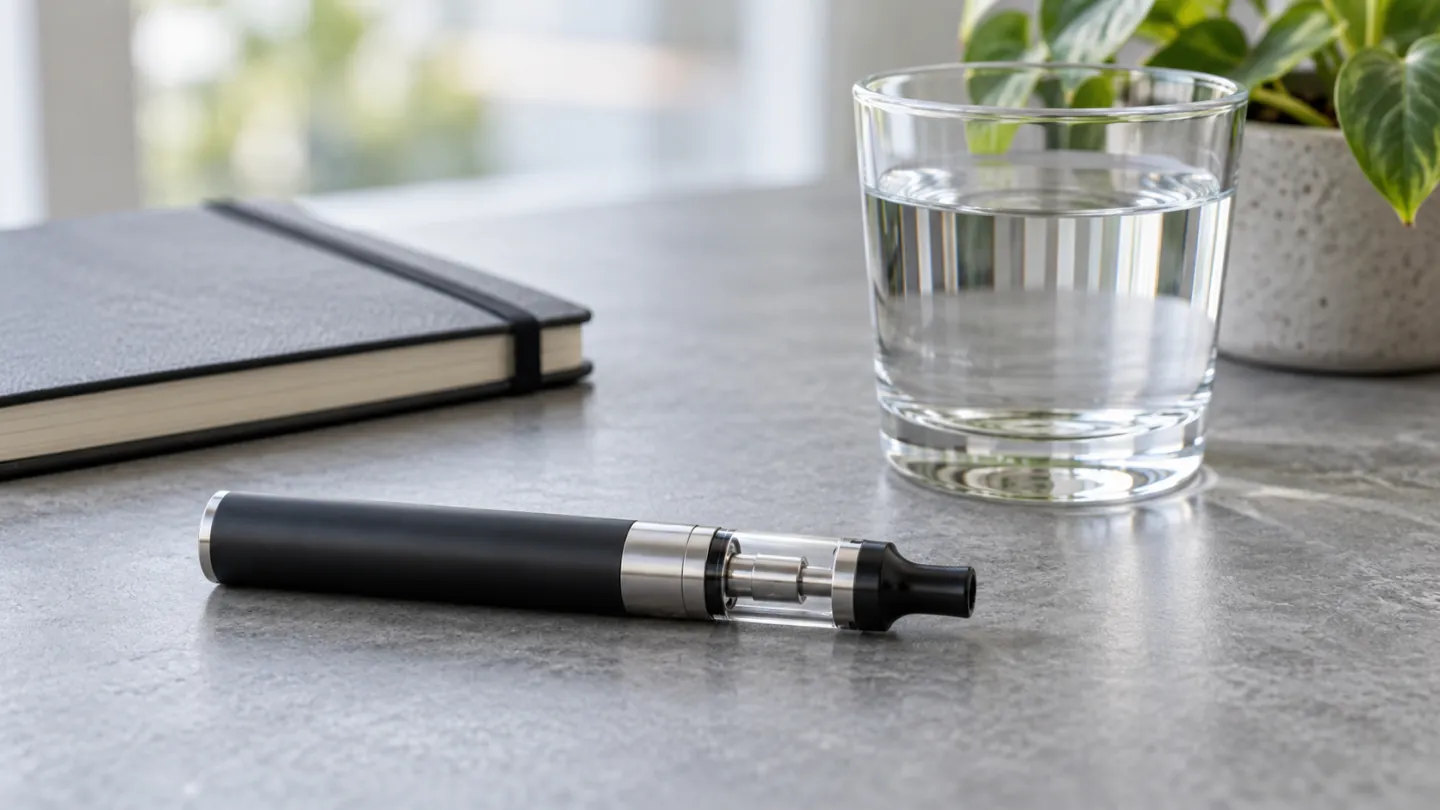
If you vape, a dental appointment is a useful place to discuss mouth symptoms and your nicotine history without trying to defend or hide the habit. Perhaps you switched from cigarettes, started socially, or now find yourself reaching for a device more often than expected. Those different starting points matter when deciding what advice fits.
Questions about vaping and oral health in Winnipeg deserve careful answers. Vaping is not harmless, but it is also not identical to smoking cigarettes. Research on long-term effects continues, and a dentist should assess the condition of your mouth rather than assume every symptom has one cause.
Bring the conversation into the open at your next visit. Tell the team what you use, whether it contains nicotine, whether you also smoke, and what has changed. That information can help with symptom assessment, treatment preparation, and deciding where to seek support if you want to stop.
Keep the comparison with smoking accurate
For someone who does not smoke, there is no oral-health reason to start vaping. For an adult who already smokes, the comparison is different. Health Canada explains that switching completely to nicotine vaping is less harmful than continuing to smoke when approved quit methods have not worked, while emphasizing that vaping is not harmless and that youth and nonsmokers should not vape.
That distinction should guide the conversation. If you have stopped cigarettes by switching, tell your healthcare provider so a plan to stop vaping also protects against returning to smoking. If you use both, describe both rather than reporting only the product you use most often.
Do not interpret a lower-risk comparison as a promise that your mouth will have no problems. Equally, concern about vaping should not push someone back to cigarettes. Ask a healthcare professional to help you consider the full history, current symptoms, and a realistic next step instead of reducing the decision to a single frightening or reassuring claim.
Describe your actual pattern of use
“I vape sometimes” may mean weekends to one person and repeated use throughout every workday to another. You do not need to calculate a perfect equivalent in cigarettes. Explain when you use the device, whether you use nicotine, and whether the pattern has recently changed.
If you know the product details, bring them or a photograph of the label. Mention other inhaled products separately, including cannabis, because a general discussion of nicotine vaping does not cover every substance or device. Include smoking history and the approximate date of any switch.
These details are health information, not a test of honesty. They can help the clinician ask better questions and avoid advice based on an incomplete picture. If you are unsure what a product contains, say so. Do not guess a strength or ingredient list simply because you feel you should know the answer.
Take mouth irritation seriously without assigning blame too quickly
Tell the dentist about burning, soreness, a dry or sticky feeling, changes in taste, or a persistent bad taste. Note whether the symptom began before or after a change in vaping, oral-care products, medicines, or dental work.
Health Canada’s risk information identifies mouth and throat irritation among reported short-term effects and explains that aerosol can contain substances with health risks. Long-term effects remain under study, and exposure varies with products and patterns of use.
An association in time does not prove the cause of a particular symptom. A rough tooth, gum disease, a dry-mouth condition, or an irritating product may also need attention. Arrange an examination for persistent symptoms rather than repeatedly changing flavours or devices to see whether the problem disappears. If a change is painful or worsening, call sooner and explain what has happened.
Understand why oral-health research needs careful interpretation
Studies may examine cells, laboratory materials, short-term symptoms, or people with different smoking histories. Those designs answer different questions. A finding that raises concern does not automatically tell you the exact chance that a particular person will develop a cavity or gum disease.
The Canadian Dental Hygienists Association’s vaping information discusses concerns including dry mouth, cavities, and gum health while noting that research continues. Use that information as a reason to discuss prevention and assessment, not as a way to diagnose yourself from a headline.
Ask the clinician what they can actually see or measure in your mouth. Are there new cavities, inflamed gums, a lesion, or signs of dryness? Which findings need treatment now, and which need monitoring? A plan based on your examination can remain useful even while research about broader long-term risks develops.
Address dry-mouth habits as well as the sensation
If dryness makes you sip drinks all day, tell the team what those drinks are. A sweetened beverage or repeated sugary lozenge may become part of the routine without seeming like a major dietary change. The comfort habit itself is worth reviewing.
Keep water available if it fits your medical instructions, and ask whether another dry-mouth measure is appropriate. Do not assume that mouthwash will correct the cause, particularly if it stings or leaves the mouth feeling less comfortable. Bring your medication list because dryness can have more than one contributor.
Our dry-mouth guide covers questions about symptoms and daily care. The useful goal is a plan that manages discomfort while protecting the teeth, rather than simply covering the sensation with stronger flavours. If you need water to swallow, have significant ongoing dryness, or struggle to eat comfortably, make that clear when requesting an assessment.
Keep prevention focused on the basics
Continue brushing with fluoride toothpaste and cleaning between teeth as your dental team recommends. Ask for help with areas that bleed, trap food, or are difficult to reach. A new rinse or whitening product cannot stand in for an examination of a problem area.
Avoid using the lack of cigarette staining as a measure of oral health. Teeth can look relatively clean while gums or hidden surfaces still need care. If you are pleased with a change in appearance after stopping cigarettes, that can be encouraging, but it does not remove the need for routine assessment.
For a busy Winnipeg work or study schedule, keep the routine easy to repeat. Have the supplies you need at home, allow time for evening care, and book the follow-up recommended for your risk level. Our check-up and cleaning guide explains how an examination and professional cleaning contribute different information and care.
Ask specifically about vaping before dental procedures
Tell the clinician about vaping before an extraction, periodontal procedure, implant treatment, or sedation assessment. Ask what restrictions and preparation apply to the procedure rather than assuming that instructions mentioning smoking do not concern you.
Explain if you expect cravings to make the instructions difficult. The dental team can discuss the clinical requirements and suggest coordinating with a pharmacist or primary-care provider about support. Do not substitute another nicotine product without checking how it fits the procedure and your health.
After treatment, follow the individual instructions and report worsening pain, swelling, persistent bleeding, or other concerning symptoms. Do not attribute every recovery problem to vaping or hide use because you worry about criticism. Accurate information is useful for care. Our extraction recovery guide provides general preparation questions, while your treating clinician determines the advice for your procedure.
Make a quitting conversation manageable
You can ask for help before deciding exactly how to quit. Start with what concerns you: dependence, cost, frequent use, mouth symptoms, or difficulty getting through a shift without the device. A healthcare provider can help turn that concern into a practical plan.
Health Canada’s quitting-vaping guidance discusses identifying triggers, planning support, and choosing an approach with professional advice. It also notes that people who switched from smoking should plan quitting vaping with attention to avoiding a return to cigarettes.
Think about one routine that would need a replacement. If you vape while checking your phone after dinner, what else could occupy that pause? If use is closely tied to stress, ask for support that addresses both cravings and coping. These are planning questions, not a requirement to solve every trigger before seeking help.
Find support that fits your situation
Ask a pharmacist or primary-care provider about appropriate options, especially if you are pregnant, breastfeeding, under 18, or managing a medical condition. Do not borrow quit medication or assume a smoking-cessation product should be used in a particular way for vaping without guidance.
CancerCare Manitoba’s resource page includes local and national support routes, including Talk Tobacco for Indigenous people seeking support with commercial tobacco or vaping. Confirm which service matches your needs and what is currently available.
If you are helping a young person, begin with a calm conversation about use and support rather than trying to diagnose damage from their teeth. Encourage a healthcare appointment where they can ask questions. Ask the provider how privacy and family involvement are handled so everyone understands the process instead of making assumptions that discourage honest communication.
Keep symptoms and follow-up on the agenda
A sore or patch that persists, unexplained bleeding, a lump, or ongoing mouth pain needs assessment regardless of whether you vape. Sudden breathing difficulty, severe chest symptoms, or rapidly progressing swelling requires urgent medical help rather than a routine dental booking.
At follow-up, tell the team what changed in your symptoms and product use. If you tried to quit and returned to vaping, that information can help adjust support. If symptoms continue despite a change, ask what else should be investigated rather than assuming more time will resolve everything.
For an oral-health assessment in Winnipeg, request an appointment and mention the symptoms or questions you want to discuss. A useful visit should leave you with a clear explanation of the dental findings, realistic prevention advice, and a practical route to further support if you want to stop vaping.