
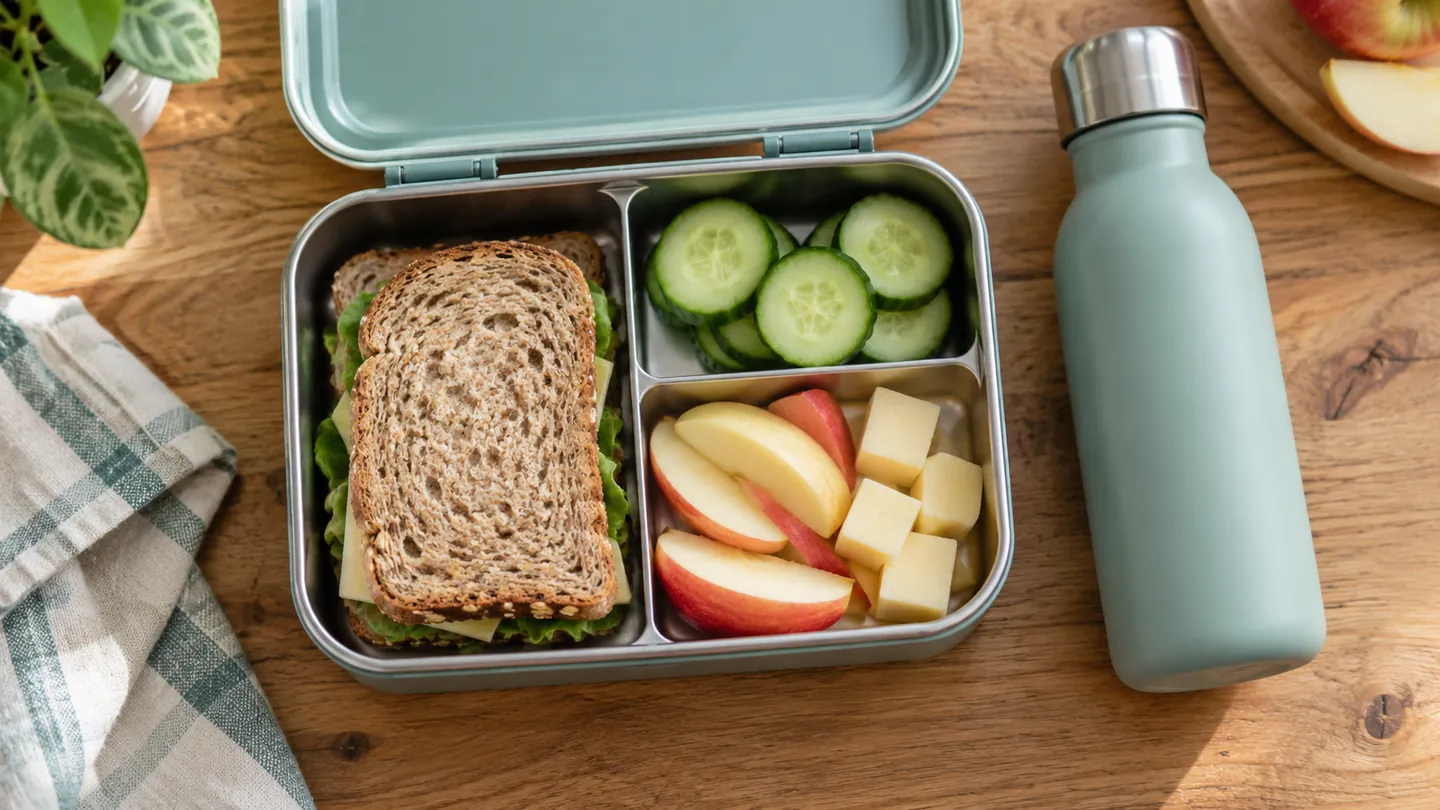
The lunchbox is open, the school bag is almost packed, and someone has announced that the food they liked yesterday is no longer acceptable. This is the setting in which many parents make nutrition decisions. A useful dental guide needs to work there, not only in a photograph of a perfectly arranged lunch.
Tooth-friendly school lunches in Winnipeg can be ordinary, affordable, and familiar. They do not require specialty snacks, a sugar-free household, or a different meal for every family member. The practical goals are to offer satisfying food, make water easy to choose, and avoid turning the whole day into repeated sipping and nibbling on sugary items.
Lunch is also only one part of oral health. Brushing, appropriate fluoride use, cleaning between teeth, and dental assessment still matter. A child can have a carefully packed lunch and need help with cavities; that should lead to a broader look at risk and routine, not blame directed at a parent or one snack.
Start with a lunch your child can actually eat
An untouched ideal meal offers little benefit. Ask what makes lunch difficult: not enough time, a container that is hard to open, foods touching, a sore tooth, a loose tooth, or simply an unfamiliar texture. Those answers often explain more than a debate about which vegetable is healthiest.
Try opening every container with your child at home. Cut food into manageable pieces appropriate to their age and chewing ability. Check whether they have enough time to eat what you pack, especially if they also need to put on outdoor clothing or move between rooms.
If eating is painful or one side of the mouth is consistently avoided, arrange a dental assessment. Do not assume the child is being picky. Our pediatric dentistry page explains the role of age-appropriate care, including conversations about comfort, habits, and prevention.
Understand the dental reason for looking at snacks
Plaque bacteria can use sugars to produce acids that contribute to tooth decay. The frequency of exposure matters, so the pattern of eating and drinking belongs in the discussion alongside the contents of the lunchbox. The Canadian Dental Association’s children’s nutrition guidance offers a useful explanation of that connection.
This does not mean a child should be hungry between meals. Children need adequate food, and some have medical or developmental reasons for a particular schedule. Work with the school and healthcare team when those needs apply.
For many families, the practical change is simply replacing an all-afternoon sweet drink with water and providing a defined snack. You do not need to count every bite. Look for repeated patterns that are easy to adjust without making eating stressful or restricting a child’s nutritional needs.
Build a familiar base, then add variety
A lunch can start with leftovers, a sandwich, a wrap, rice, pasta, or another familiar staple. Add foods your child accepts from the other parts of the meal: vegetables or fruit, and a protein food appropriate to the family and school setting.
Canada’s Food Guide emphasizes varied nutritious foods and recognizes that food choices belong within everyday life. There is room for different cultural traditions, budgets, and household preferences. A dental lunch does not need to look like one narrow version of a Canadian sandwich box.
For example, leftover lentils with rice and soft vegetables can be a practical lunch. So can a chicken sandwich with cucumber, or a suitable bean spread with bread and fruit. The question is whether the meal is nourishing, manageable to eat, and packed safely, not whether it matches a trend.
Five lunch combinations to adapt
These examples are starting points, not prescriptions. Adjust ingredients for allergies, medical advice, school rules, age, and your child’s preferences.
- A whole grain sandwich with an accepted filling, cucumber pieces, apple slices, and water.
- Leftover rice with lentils or beans, cooked vegetables, and a small portion of fruit.
- Plain yogurt with a suitable grain food, soft fruit, and an additional protein food if needed.
- Pasta with vegetables and chicken or tofu, packed at a safe temperature, with water.
- A simple snack-style box with bread, cheese or an appropriate alternative, vegetables, and fruit.
Portion sizes should reflect the child, not the compartments of a fashionable lunchbox. If a meal routinely comes home unfinished, ask which part was difficult. You may need a smaller container, a familiar texture, or more time to eat rather than a completely new menu.
Give the water bottle a permanent place
Plain water is a useful everyday drink for school. Put the bottle beside the lunchbox when packing so it is less likely to be forgotten. Make sure your child can open it, knows where to refill it, and is allowed to access it during the day.
Health Canada’s water guidance recommends making water the drink of choice. From a practical dental perspective, it also helps avoid repeated exposure to a sweet beverage carried around for hours.
Do not assume a sports drink is necessary because a child has gym class or an after-school activity. If a medical or athletic situation calls for specialized hydration advice, follow the appropriate professional guidance. For an ordinary school day, a simple water routine is easier to sustain than negotiating a different flavoured drink every morning.
Juice and fruit are not interchangeable habits
Whole fruit can be part of a nutritious lunch. A bottle of juice that is sipped repeatedly creates a different pattern of exposure and may displace other foods or water. The issue is not whether the packaging looks natural; it is how the product fits the day.
The CDA’s nutrition overview discusses food choices in relation to teeth and gums. Use that information to start a conversation, not to create a list of forbidden foods that makes lunch feel like a test.
If your child strongly prefers a particular drink, change the routine gradually and consistently. Explain the new default in simple terms and offer water in a bottle they can use comfortably. Avoid promising that one drink choice will prevent all cavities; oral health depends on more than the contents of the bottle.
Treat sticky snacks as a planning question
Fruit-flavoured gummies, chewy sweets, and some snack bars can look convenient because they are portable and do not need refrigeration. Their branding may suggest fruit or energy, but that does not tell you everything about the ingredients or how the food behaves in the mouth.
Read labels when comparing similar products, and think about when the snack will be eaten. A planned treat with a meal is a different routine from a bag that is grazed from repeatedly. The goal is a sensible pattern, not making a child feel guilty for enjoying a birthday cupcake.
If you are unsure about a frequently eaten snack, bring the packaging or a photo to the dental visit. Specific examples are easier to discuss than a general question about whether your child’s diet is good. The team can help identify changes worth making within the routine you already have.
Allergy rules and food safety come first
Check your child’s current school or classroom requirements directly. Do not assume that a food is permitted because another Winnipeg school allows it. Nut and seed products, substitutes, and shared-food rules may need particular attention depending on the setting.
Dental benefits do not override allergy safety. Likewise, a food that is suitable for the teeth must still be prepared and stored safely. Health Canada’s safe school lunch guidance explains the importance of keeping perishable foods cold and using appropriate insulated containers for hot foods.
Teach children not to trade lunches when allergies or medical restrictions are relevant. Keep the explanation simple and practical. A familiar lunch packed consistently is more useful than an elaborate meal whose ingredients, storage temperature, or classroom suitability are uncertain.
Keep the budget realistic
You do not need individually packaged foods labelled dental-friendly. Leftovers, seasonal produce, store-brand staples, and foods the household already eats can make lunch planning more affordable. The cheapest useful option is often the one that gets eaten instead of returning home untouched.
Choose a few reliable combinations and repeat them. Variety can happen across the week rather than inside every lunchbox. If a bag of produce repeatedly spoils before anyone eats it, buy less or choose a form the family will use.
Involve children in small choices: which of two accepted vegetables, which container, or which leftover to pack. Giving a limited, genuine choice can reduce morning negotiations without handing over the entire planning task. It also makes the routine easier to repeat when a different caregiver packs lunch.
Plan for the gap between school and activities
The after-school period can be where the lunch plan unravels. A child is hungry, there is a drive across Winnipeg, and dinner is still an hour away. Packing an appropriate snack ahead of time can prevent the default from becoming whatever sweet drink and snack are closest.
Keep the same principles: a defined eating occasion, enough food to be satisfying, and water available. Follow any sport-specific or medical advice where relevant. If your child wears braces, ask the orthodontic team which textures should be avoided or modified.
If a child has a removable retainer, pack the protective case and follow the prescribed instructions for meals. Lunch routines and appliance care are connected. Our retainer care guide includes practical storage ideas that can help prevent an appliance from disappearing with a napkin or snack wrapper.
What to ask at the next dental visit
Bring a picture of a typical lunch and describe drinks and snacks outside school too. Ask whether the child’s examination suggests any particular prevention priorities. A useful discussion includes brushing support, fluoride, tooth anatomy, medical history, and eating patterns rather than focusing on one supposedly bad food.
If cavities have already developed, our children’s cavity guide explains why treatment and prevention should be considered together. Changing the lunchbox does not repair an established cavity, and a cavity does not mean every family habit has failed.
To discuss tooth-friendly school lunches in Winnipeg alongside your child’s individual dental needs, request an appointment at Winnipeg North Dental. Bring the real routine, including the rushed mornings and rejected foods. The most useful plan is one your family can carry out on an ordinary school day.