
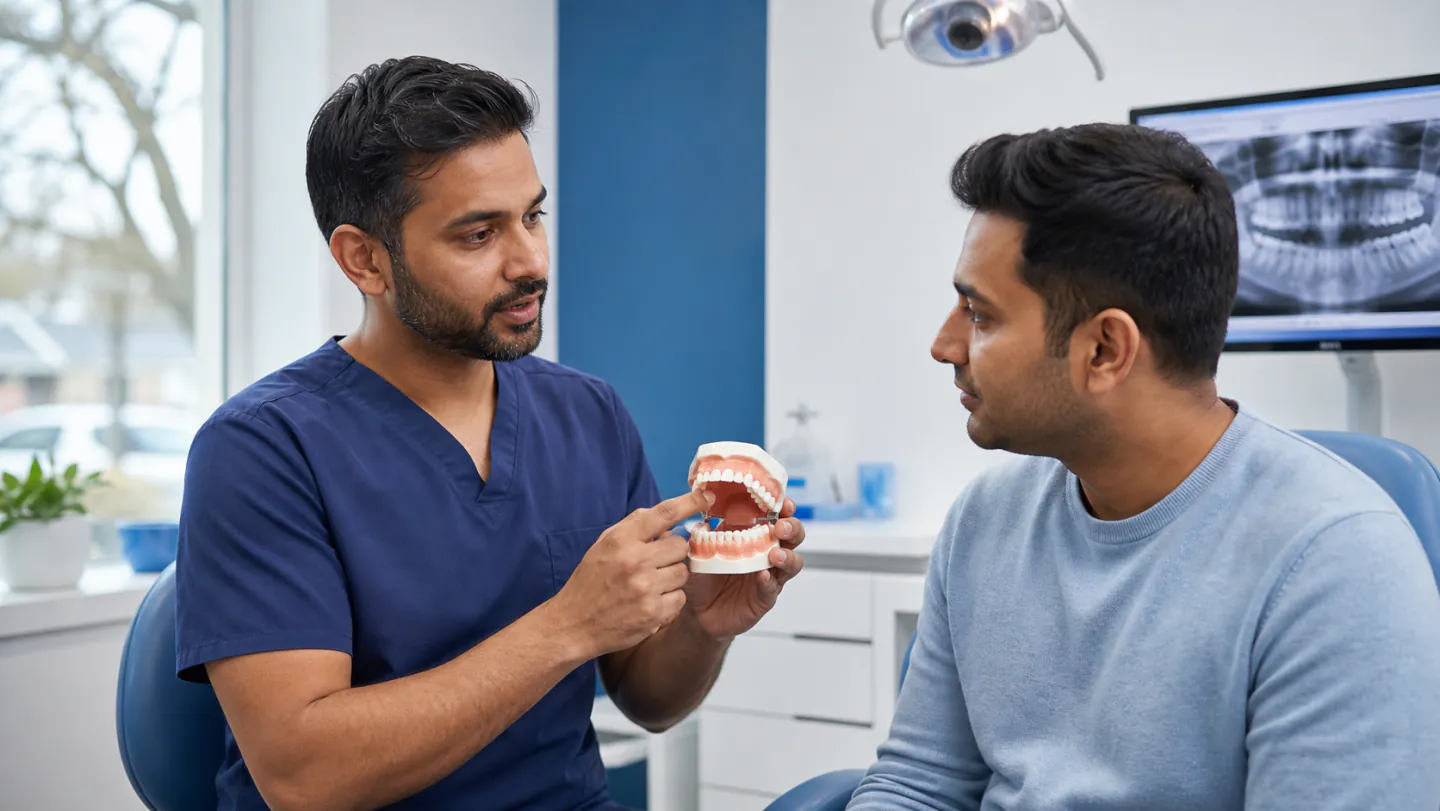
Hearing that a tooth may need to be removed can bring relief and worry at the same time. Relief because there may finally be an answer for pain or infection; worry because “pulling a tooth” sounds forceful and final. Knowing why removal is being recommended and how healing works can make the decision feel more manageable.
An extraction removes a tooth from its socket in the jaw. It may be the safest option when a tooth cannot be repaired predictably, but it should not be treated as the only answer to every damaged tooth. The dentist must consider whether the tooth can be saved, what removal will change, and whether the space should later be replaced.
If you need a tooth extraction in Winnipeg, this guide explains the process without graphic detail. Your own instructions may differ based on the tooth, procedure, medical history, and medications, so follow the advice given by the clinician who treats you.
Why a tooth may need to be removed
Common reasons include:
- Decay that extends too far below the gum or leaves too little tooth to rebuild
- A crack that reaches deeply into the root
- Infection that cannot be predictably treated while keeping the tooth
- Severe gum disease with major loss of support
- A tooth broken by injury
- A problematic wisdom tooth
- Overcrowding as part of an orthodontic plan
- A baby tooth that is blocking normal development
- A tooth that interferes with a larger restorative plan
Pain alone does not determine the treatment. Some painful teeth can be saved with root canal treatment and a restoration. Some teeth that barely hurt have a poor long-term outlook. An examination and appropriate X-rays help show the root shape, bone, decay, infection, and nearby structures.
Can the tooth be saved?
Ask this question before removal when the situation is not an immediate emergency. Saving a natural tooth may be possible with a filling, crown, root canal treatment, gum treatment, or a combination of care.
The more useful question is not “Can anything be done?” but “Can this tooth be restored with a reasonable chance of comfortable, maintainable function?” A heroic repair may involve significant cost and treatment while still carrying a poor outlook.
The dentist considers remaining tooth structure, cracks, root and bone support, nerve health, position, bite, and the role of the tooth. Your health, priorities, finances, and ability to complete follow-up care matter too. If choices exist, ask about the benefits, limitations, timing, and cost of saving versus removing the tooth.
Simple and surgical extractions
A simple extraction generally applies when enough of the tooth is visible and it can be loosened and removed through the opening. A surgical extraction may be needed when the tooth has broken near the gum, is trapped below tissue or bone, has complex roots, or needs to be sectioned into smaller parts.
“Surgical” does not automatically mean hospital care or general anesthesia. Many surgical extractions are completed in a dental office with local anesthetic. More complex cases may be referred to an oral and maxillofacial surgeon.
Your dentist should explain the expected approach, but the plan can change if a fragile tooth breaks or the root shape creates difficulty. Ask who will provide treatment and what circumstances would lead to referral.
Preparing for the appointment
Provide a complete, current health history. Tell the dental team about:
- Prescription and non-prescription medications
- Blood thinners and medications for bone conditions
- Allergies or previous reactions
- Heart conditions or joint replacements when relevant
- Diabetes, immune conditions, or healing concerns
- Pregnancy or possible pregnancy
- Tobacco, vaping, cannabis, and alcohol use
- Previous problems with freezing, bleeding, or dental treatment
Do not stop a prescribed medication on your own. The dentist may need to coordinate with your physician or pharmacist, but changes should be made only with appropriate advice.
Confirm whether you may eat before the visit. Instructions differ when sedation is planned. Arrange transportation if your medication or sedation requires an escort, and prepare soft foods, gauze, and recommended pain relief in advance.
What happens during a tooth extraction?
The area is numbed with local anesthetic. The dentist checks that the tooth and surrounding tissues are properly frozen before beginning. You may feel firm pressure and movement, but sharp pain is a reason to pause and add anesthetic.
The tooth is carefully loosened. It may come out in one piece or be divided to reduce stress on the surrounding bone. For a surgical extraction, a small opening may be made in the gum and stitches may be placed.
After removal, the socket is inspected and cleaned as needed. Gauze is placed so you can apply steady pressure. A blood clot forms in the socket and acts as the first layer of healing.
The dental team will give instructions that match your procedure. Ask questions before leaving, especially if medication or sedation makes it harder to remember details later.
The first few hours after removal
Keep firm pressure on the gauze for the recommended time. Some oozing and blood-tinged saliva can be normal. Repeatedly removing the gauze to check the site can interrupt clot formation.
Until numbness fades, avoid chewing and hot food or drinks. A numb lip, cheek, or tongue is easy to bite or burn. Rest with your head slightly elevated and avoid strenuous activity for the period recommended.
Do not rinse forcefully, spit repeatedly, use a straw, smoke, or disturb the socket with your finger or tongue. These actions can dislodge the clot and restart bleeding. Take pain medication only as directed and stay within label or prescription limits.
Eating after a tooth extraction
Choose cool or lukewarm soft foods at first. Yogurt, eggs, oatmeal that has cooled, soup that is not hot, mashed vegetables, pasta, and smoothies eaten with a spoon can be practical options. Avoid hard, sharp, very spicy, and seedy foods that can irritate or enter the socket.
Chew away from the area when possible. Return gradually to your usual diet as comfort improves and according to your instructions. Nutrition and hydration support healing, so do not avoid eating for longer than necessary.
Alcohol may interact with medication and can interfere with healing. Ask when it is safe to resume. Smoking and vaping are especially concerning because suction, heat, and chemicals increase the risk of painful healing problems. Use the extraction as a reason to ask for quitting support.
Cleaning your mouth while the socket heals
Keeping the rest of the mouth clean is important, but the extraction site needs gentle care. Brush other teeth normally on the day of treatment while avoiding direct contact with the socket. Follow your clinician’s timing for cleaning near the area.
You may be instructed to begin gentle warm salt-water rinses after the first day. Let the liquid fall from your mouth rather than spitting forcefully. If a prescription rinse is provided, use it exactly as directed.
Food can collect near a healing lower wisdom-tooth site. Some patients receive a small irrigation syringe later in healing, but using one too early can disturb the clot. Do not improvise; follow the schedule given by the office.
What is normal during healing?
Mild to moderate soreness, swelling, jaw stiffness, and bruising can occur. Swelling often increases during the first two or three days before beginning to settle. The pattern depends on the tooth and complexity.
The socket may look white or yellow as healing tissue forms. That appearance alone does not mean infection. Stitches may loosen or dissolve according to their type. Nearby teeth can feel tender, and the bite can feel temporarily different.
Pain should generally become easier to manage over time. Healing occurs from the bottom and sides of the socket, so the opening can remain visible after you feel much better. Do not pack it with home remedies or pick at it.
When to call the dentist
Contact the office for:
- Bleeding that remains heavy despite firm pressure
- Pain that is severe, increasing, or poorly controlled
- Swelling that continues to worsen after the expected early period
- Fever, spreading redness, drainage, or feeling significantly unwell
- Trouble swallowing or breathing
- Numbness that persists beyond the period discussed
- A rash, breathing change, or suspected medication reaction
- Repeated vomiting or inability to keep fluids down
- A concern that does not match your instructions
Difficulty breathing, rapidly spreading swelling, uncontrolled bleeding, or a serious medication reaction requires emergency medical help. Do not wait for an email reply in an urgent situation.
What is dry socket?
Dry socket is a painful healing problem that can occur when the protective blood clot is lost or breaks down before the socket is ready. Pain often becomes stronger a few days after the extraction rather than steadily improving. It may spread toward the ear or temple and may be associated with an unpleasant taste.
Dry socket is more common after some lower tooth extractions and is associated with smoking and other factors. It is not simply “an infection,” and taking leftover antibiotics is not the answer.
Call the dentist. The area can be gently assessed and treated to improve comfort while healing continues. Following instructions lowers risk but cannot prevent every case.
Pain relief and antibiotics
Your dentist will recommend pain control based on your health, medications, allergies, and procedure. For many patients, non-opioid medicines can manage dental pain effectively, but not everyone can safely take the same products.
Do not combine medications without checking their ingredients. Several cold, flu, and pain products may contain the same drug, which can lead to an accidental overdose. If you take blood thinners, have kidney, liver, stomach, heart, or pregnancy concerns, ask a pharmacist or clinician what is safe.
Antibiotics are not routinely needed after every extraction. They may be prescribed when there is spreading infection or another specific reason. Take them exactly as directed and do not use old medication saved from a different illness.
Will the missing tooth need to be replaced?
Not every removed tooth requires replacement. Wisdom teeth usually are not replaced. Some spaces have little functional effect, while others can change chewing, appearance, or the position of neighbouring and opposing teeth.
Replacement options may include:
- A dental implant
- A dental bridge
- A partial or complete denture
- Leaving the space and monitoring it
The plan depends on which tooth was removed, gum and bone health, remaining teeth, bite, health, timing, and budget. If an implant may be considered, ask before extraction whether preserving the socket or planning the bone changes the procedure.
Tooth extraction costs and coverage in Winnipeg
Fees vary with the tooth, root shape, level of difficulty, surgical steps, X-rays, sedation, and whether specialist care is needed. An emergency examination and replacement treatment are separate from the extraction itself.
Private insurance and the Canadian Dental Care Plan may contribute to eligible extractions according to their rules and fee schedules. Sedation, bone preservation, and replacement options may have different coverage requirements.
Ask for an estimate and clarify what it includes. In an emergency, immediate care may focus on diagnosis and comfort while the complete financial plan is reviewed. If cost affects your choice, say so openly so the dentist can explain urgency and safe alternatives.
Questions to ask before removal
- Why can this tooth not be repaired predictably?
- What could happen if I delay?
- Is the extraction simple or surgical?
- Will I need a referral or sedation?
- Which medications should I take or avoid?
- What should I eat and how should I clean afterward?
- Which warning signs require a call?
- Should the space be replaced?
- Does future implant planning affect what happens today?
Write down the answers or bring a support person if you feel overwhelmed. A permanent decision deserves a clear explanation.
Planning a tooth extraction in Winnipeg
Extraction is sometimes the healthiest step, but it should be part of a larger plan. Understanding the reason, recovery, and future of the space helps you move forward with fewer surprises.
Winnipeg North Dental provides tooth extractions and can refer complex cases when appropriate. If you have a badly damaged tooth, swelling, or a recommendation for removal, request an appointment or call promptly so the urgency and options can be assessed.