
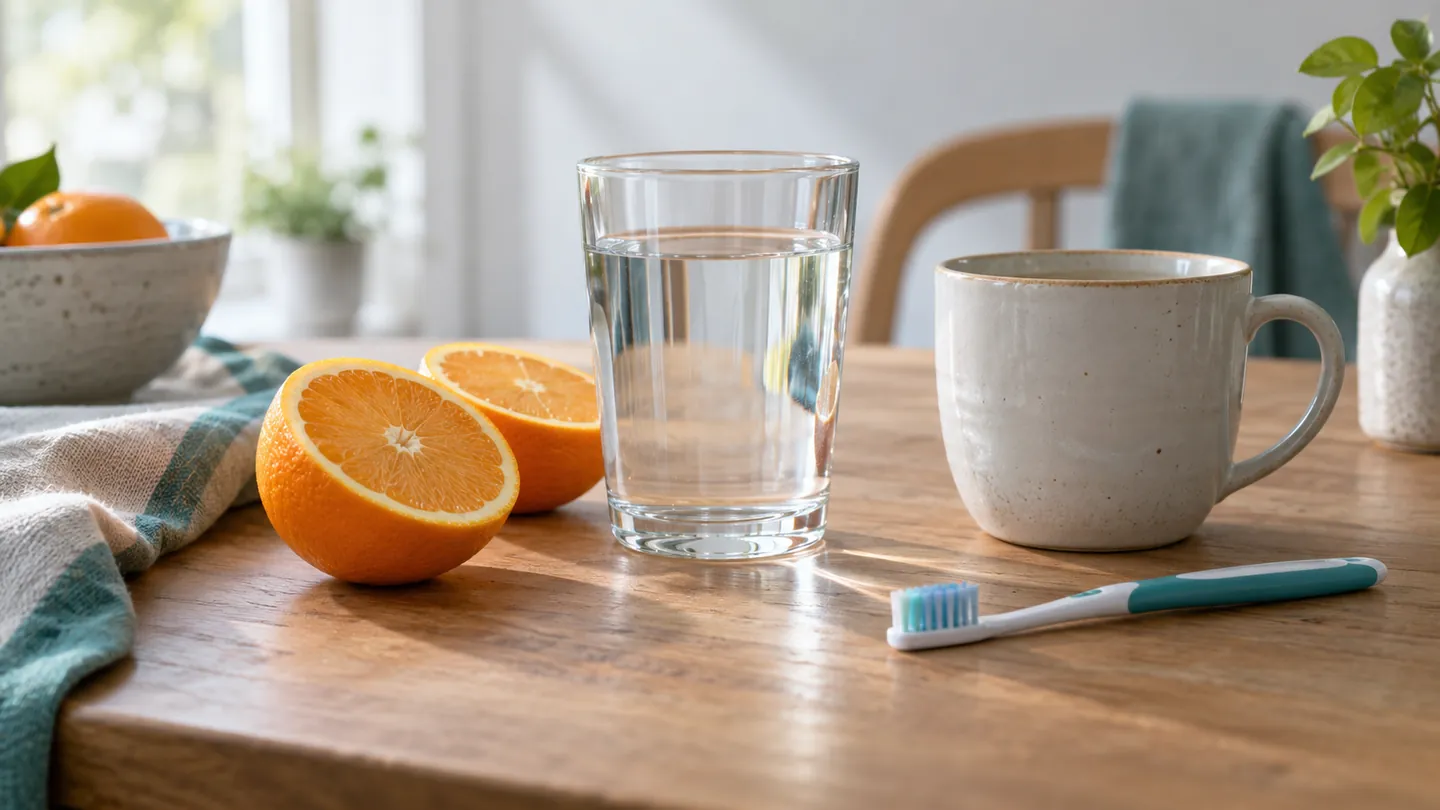
A reusable bottle of lemon water on the desk can seem like an uncomplicated healthy choice. So can a sports drink after a workout or a small glass of juice with breakfast. The dental question is not whether one food is good or bad. It is how often your teeth meet acid, how long that contact lasts, and what else is happening in your mouth.
Tooth enamel erosion in Winnipeg deserves attention because it often develops quietly. You might first notice that cold water feels sharper, that the edges of your front teeth look different in photographs, or that a dentist has mentioned wear even though you rarely get cavities. Those clues need an examination, not a shopping cart full of enamel repair products.
This guide explains the conversations worth having, the habits you can reasonably change, and the limits of what toothpaste or restorative dentistry can accomplish. The aim is to protect the teeth you have while understanding why they are changing.
Erosion and cavities are different problems
Enamel is the hard outer covering of a tooth. Erosion is chemical wear from acids that do not originate from plaque bacteria. Tooth decay, by comparison, involves acids produced when bacteria use fermentable carbohydrates. A person can have one problem, both problems, or tooth wear from another source altogether.
That distinction explains why a sugar-free drink is not automatically harmless to enamel. It may contain acid even when there is little or no sugar for bacteria to use. The American Dental Association describes acid exposure and the permanent loss of tooth surface in its guide to dietary acids and teeth.
For a patient, the useful consequence is simple: a cavity history does not answer every question about tooth wear. At your next visit, ask whether the concern is decay, erosion, mechanical wear, or a combination. Each answer points toward a different prevention plan.
Look at the whole day, not one ingredient
Imagine two ordinary workdays. On the first, a person drinks a flavoured beverage with lunch and then returns to water. On the second, they nurse the same beverage throughout an entire shift, taking a mouthful every few minutes. Even without changing the bottle size, the pattern of exposure has changed.
Rather than trying to calculate the acidity of everything in your kitchen, write down when you drink and snack for a few typical days. Include the coffee you refill, the drink in the car, workout beverages, evening snacks, and any habit of sucking citrus fruit. Record the pattern honestly; it is information, not a confession.
A dentist can help identify which changes would be meaningful for your particular wear pattern. The most workable plan might involve changing what goes in your all-day bottle, keeping a favourite drink with a meal, or addressing an underlying medical issue. You do not need to replace your entire diet overnight.
What changes might you notice?
Sensitivity is one reason people seek help, but it is not a reliable diagnosis by itself. A tooth that reacts to cold might have exposed dentin, recession, a crack, decay, or another problem. The location, duration, and trigger matter more than a general label such as weak enamel.
When preparing for an appointment, note whether the sensation affects one tooth or several. Does it stop when the cold drink is gone, or linger afterward? Have you noticed a rough edge, a changed bite, or difficulty chewing? These details help the dentist decide what to examine first.
Bring older photographs if you are concerned that the shape of your teeth has changed. They may offer context, although lighting and camera angle can be misleading. The clinic may take its own photographs or other records so future comparisons are more consistent. Monitoring should have a baseline and a review date, rather than relying on memory.
Why your health history belongs in the discussion
Acid exposure does not always come from food. Reflux and repeated vomiting can bring stomach acid into the mouth. If those experiences are part of your history, tell the dentist privately. A dental examination can identify damage but cannot establish the full medical cause of reflux or replace medical treatment.
The Australian Dental Association Victorian Branch’s erosion guidance identifies both dietary and stomach acids as relevant sources. It also emphasizes limiting exposure rather than expecting a brushing schedule to cancel the effects of repeated acid contact.
You do not need to explain sensitive medical experiences to reception in detail. You can simply say there is a health matter you would like to discuss with the dentist. If vomiting relates to pregnancy, a medical condition, medication, or an eating disorder, care should be coordinated respectfully with the appropriate healthcare professional.
Practical changes that fit a Winnipeg routine
Start with the longest stretch of sipping in your day. For someone commuting across the city, it may be the travel mug. For a student, it may be an energy drink during evening study. For a parent, it may be the flavoured water bottle that stays nearby through school pickups and activities.
Plain water is a useful default between meals. When you choose an acidic drink, avoid holding or swishing it around your mouth. Having it within a defined eating occasion can make the habit easier to manage than repeatedly topping up a glass without noticing.
These are practical adjustments, not instructions to avoid nutritious fruit or become anxious about every meal. If you have dietary restrictions, diabetes, swallowing difficulties, or another condition affecting food choices, bring that context into the plan. Dental advice should fit your nutritional needs and the advice of your medical team.
Keep brushing gentle and consistent
People sometimes respond to sensitivity by scrubbing more firmly because their teeth no longer feel smooth. Others stop brushing the sensitive areas altogether. Neither reaction addresses the cause. Ask the hygienist to watch how you hold the brush and demonstrate the pressure and angle that suit your mouth.
Use a soft brush and fluoride toothpaste unless your clinician recommends something different. Following an acid exposure, rinsing with water is a reasonable first step. Advice about precisely how long to delay brushing varies; your routine should focus on gentle cleaning and reducing the acid source rather than treating a timer as complete protection.
The Canadian Dental Association’s preventive care guidance supports twice-daily brushing with fluoride toothpaste and a soft-bristled brush. Bring your current products to the appointment if you are unsure about abrasiveness, whitening claims, or whether a prescription product is appropriate.
What does an enamel repair label really mean?
The word repair can mean different things on different products. Supporting mineral balance at the tooth surface is not the same as recreating a missing corner or rebuilding the original thickness of enamel. Ask what the product is expected to improve and how you will know whether it is working.
This matters when a person keeps buying stronger whitening or polishing products because their teeth look more yellow. Colour changes deserve assessment before cosmetic treatment. A brighter surface will not resolve the reason a tooth is wearing, and chasing a result without a diagnosis can become expensive and frustrating.
If your dentist suggests a sensitivity toothpaste, clarify the instructions and the review interval. Record whether the frequency or intensity of symptoms changes. Improvement is useful information, but it does not prove that erosion was the only cause or that the underlying exposure has stopped.
When observation is a real treatment plan
Not every worn tooth needs a restoration immediately. Sometimes the appropriate starting point is to identify exposures, improve home care, manage symptoms, and collect records. The important distinction is between deliberate monitoring and simply ignoring a concern because nothing hurts today.
Ask which surfaces are being watched, whether photographs or scans will be used, and when reassessment should occur. Ask what would change the recommendation: more sensitivity, a fracture, difficulty eating, or measurable progression. You should leave knowing what to report between visits.
Our check-ups and cleanings page explains the role of preventive visits. For wear concerns, the examination and the conversation are as important as cleaning. If you are booking specifically because teeth have changed shape, mention that so the team can plan the appointment appropriately.
Discussing restorative options without rushing
When wear affects comfort, strength, function, or appearance, restorative treatment may enter the discussion. The choice depends on how much tooth remains, where the damage is, the bite, and whether the causes are being managed. A photograph online cannot establish which treatment your teeth need.
Ask the dentist to explain the least invasive suitable option and its limitations. A small repair and a larger restoration can involve different maintenance needs, costs, and amounts of tooth preparation. If several teeth are involved, ask whether treatment can be staged and how that affects the overall plan.
It is also reasonable to ask what happens if you postpone treatment. You need a specific answer about your teeth rather than a universal prediction. Our information about dental bonding and dental crowns can help you prepare questions, but suitability still depends on examination.
Make your next visit more useful
Bring a short list of drinks, relevant medical symptoms, current toothpaste, and the main changes you have noticed. If your schedule is unpredictable, explain that too. A prevention plan built around an ideal day is less useful than one that works during an actual Winnipeg workweek.
Three questions can keep the discussion focused: What is causing the wear? What is the most useful change I can make now? How will we tell whether the problem is stable? Write down the answers so the next appointment can build on them.
If you are concerned about tooth enamel erosion in Winnipeg, request an appointment at Winnipeg North Dental. Bring the pattern, not just the symptom. Understanding how your teeth are changing makes it easier to protect them with a plan you can sustain.