
The snack you planned and the snack you actually eat are often different. You leave home expecting to be back for lunch, an appointment runs late, and a granola bar becomes lunch instead. Or you work beside a bowl of sweets and take one whenever a difficult email arrives. By evening, it is hard to remember how often you ate, let alone what each snack contained.
Snacking and cavity prevention in Winnipeg do not need to be opposing goals. Snacks can help people meet nutritional needs, manage demanding schedules and avoid arriving at the next meal uncomfortably hungry. The dental question is how food choices and repeated exposures fit into the rest of your day.
A useful plan should leave you adequately fed, comfortable and able to follow your medical advice. It should not create fear of food or an unrealistic rule against ever eating between meals. Start with the pattern you have and look for one or two changes that make it work better.
Why the pattern matters
Dental plaque contains bacteria that use sugars and some other carbohydrates, producing acids that affect tooth surfaces. Frequent exposure can make the pattern of eating relevant alongside the food itself. That is why a small amount eaten repeatedly over a long afternoon raises a different discussion from the same food eaten on one occasion.
The ADA’s diet and dental health guidance encourages limiting frequent snacking and explains that meals stimulate saliva. It suggests nutritious options such as vegetables, fruit and cheese when snacks are needed.
This does not mean you need to time every bite or skip food when hungry. It means noticing whether a snack has become continuous grazing. A bowl kept beside the keyboard can turn one planned portion into repeated mouthfuls taken without much attention.
Try putting the snack on a plate, taking a real break and then returning the food container to the cupboard. The change is organizational rather than punitive: you still eat, but the occasion has a beginning and an end.
Look at three ordinary days
A short food-and-drink record can reveal habits that memory misses. Include a typical workday, a day off and a day when your schedule is difficult. Write down approximate times, what you ate or drank, and whether it was a defined break or something consumed gradually.
Include drinks, cough drops, candies kept in the car and the handfuls taken while preparing dinner. These details are not evidence of failure. They simply make the pattern visible. The most useful record is the one that resembles your life, including the inconvenient parts.
You may notice that the main issue is not your afternoon snack at all. Perhaps a sweetened drink lasts all morning, or a late lunch leads to repeated nibbling while cooking. Solving that practical problem may be easier than replacing every food in the house.
If you bring the record to a dental appointment, explain what was happening around the eating. A caregiver missing meal breaks and a person eating from boredom need different suggestions. Context makes prevention advice more useful.
Build snacks you actually want to eat
An ideal snack left untouched in the fridge offers little help during a busy day. Choose foods that suit your preferences, budget, allergies and available storage. A familiar combination is often more sustainable than a complicated recipe prepared once and abandoned.
Canada’s Food Guide offers practical healthy-snack ideas, including combinations of vegetables, fruit, whole grains and protein foods. You can use that general framework without requiring every snack to contain the same ingredients.
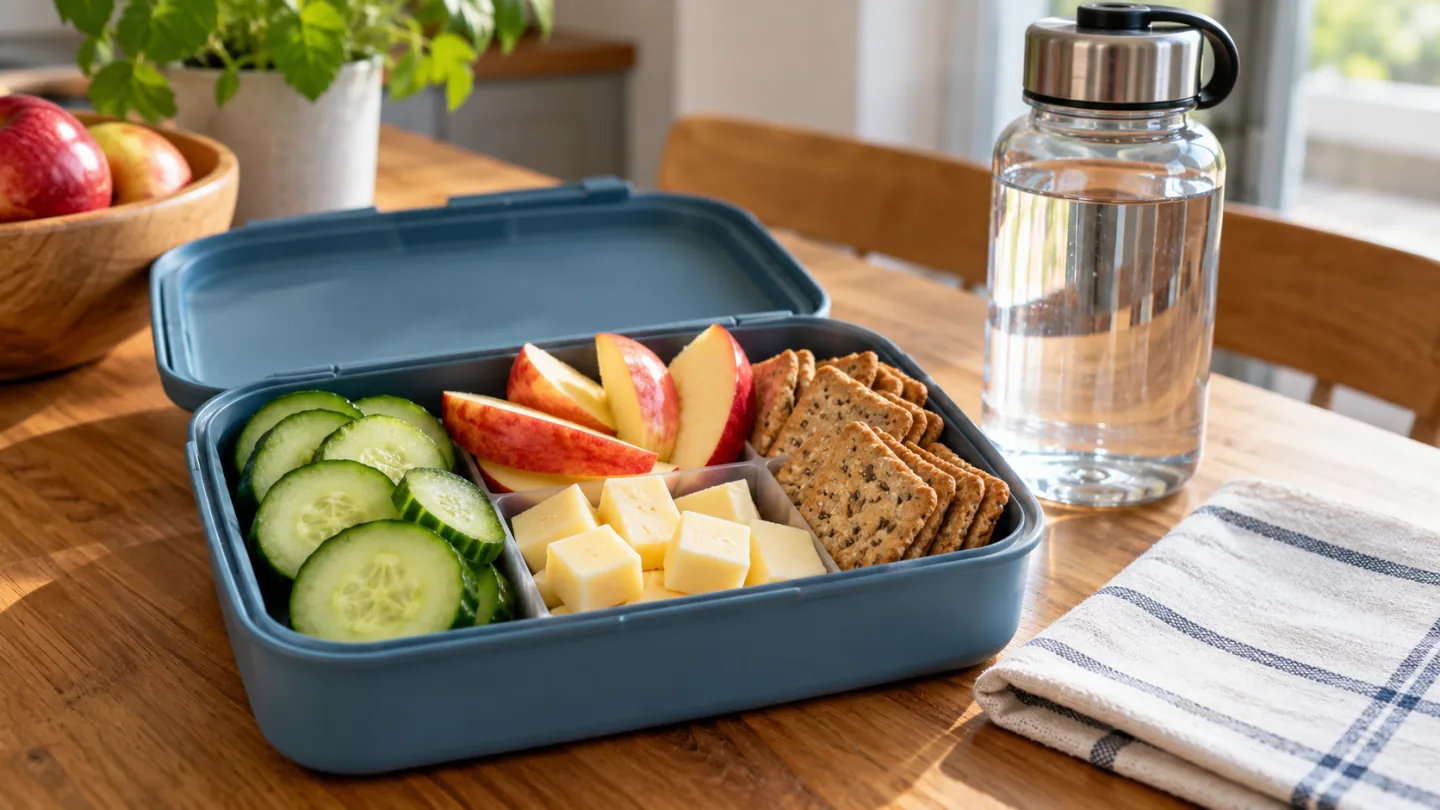
For example, you might pack cucumber with hummus, plain yogurt with fruit, or wholegrain toast with an appropriate spread. Cheese and fruit may suit one person; a dairy-free alternative may suit another. Adapt textures if chewing is uncomfortable or a restoration is being protected.
Avoid labelling one food as a magic dental food. Cheese does not cancel unlimited sweets, and an apple does not replace brushing. The aim is a varied eating pattern that meets your needs while making constant sugary grazing less likely.
Give the drink its own decision
It is easy to choose a thoughtful snack and overlook the drink beside it. Sweetened coffee, juice, soft drinks and flavoured beverages can keep exposure going after the food is finished. A bottle that stays open for hours deserves attention even if the snack was brief.
Water is a practical default between eating occasions. If you prefer a sweetened drink, consider having it as part of a defined meal or snack instead of repeatedly returning to it throughout the day. This is a change in pattern, not a claim that a single glass makes someone unhealthy.
Keep a reusable water bottle where it is convenient. On a Winnipeg workday, that might mean filling it before leaving home rather than assuming you will remember during a rushed break. If carrying a large bottle is awkward, a smaller one you refill may work better.
If fluid intake is medically restricted, follow your healthcare team’s instructions. Dental advice about drinking water should fit that plan. There is no universal amount that every reader should drink regardless of their medical situation.
Read labels without reducing food to one number
Packaging can emphasize words such as natural, organic or made with fruit while saying little about how a product fits your routine. The Nutrition Facts table and ingredient list provide more concrete information, especially when comparing similar packaged foods.
The Canadian Food Inspection Agency explains that sugars are declared as total sugars per stated serving. Check the serving size before comparing two products. A smaller printed serving can make a number look lower even when you normally eat the whole package.
Use labels as one tool, not a scoring system for whether you are allowed to eat. Protein, fibre, overall nutrition, cost and tolerability also matter. A useful comparison is between two realistic options you would actually buy, rather than between your usual snack and an imaginary perfect one.
The Oral Health Foundation’s diet guidance also notes that sugars marketed as natural still matter for teeth. Honey, syrups and dried-fruit ingredients should therefore be part of an honest discussion rather than disappearing from it because the package sounds wholesome.
Plan for the gap between appointments
Winnipeg errands can take longer than expected, especially when travel and weather complicate the day. A small backup snack can prevent a minor delay from becoming several hours without food. The best option depends on what you can safely store and comfortably eat.
For shelf-stable supplies, check packaging and storage directions. For perishable foods, use appropriate cooling rather than leaving them in a warm vehicle or desk drawer. In winter, an outdoor temperature is not a reliable substitute for a controlled food-storage plan.
Keep the backup somewhere you will remember it: beside your keys, in the work bag or with the lunch container. Replenish it when packing the next day’s supplies. A snack plan that requires a separate weekly project may be harder to sustain than one attached to an existing routine.
If you frequently miss meals because of work demands, the problem may be access to a break rather than lack of knowledge. Discuss realistic timing instead of setting a schedule that your job makes impossible.
Shared food does not need to become a conflict
Office treats, family gatherings and cultural celebrations are part of ordinary life. Cavity prevention advice becomes less useful when it sounds like a requirement to avoid every shared table. You can participate while being deliberate about the pattern.
Choose what you want, enjoy it during the occasion and avoid carrying a bowl of sweets around for the rest of the afternoon. If a treat is important to you, it can remain part of your routine. The goal is to reduce automatic repeated exposure, not to make food choices a public performance.
At home, consider where snacks are stored. A closed cupboard invites a decision; an open bag on the counter invites an unnoticed handful every time someone passes. Changing the environment can be easier than repeatedly telling yourself to ignore food in plain sight.
When shopping for a shared household, make room for different needs. One person’s medical snack schedule or preferred texture may differ from another’s. A flexible plan is more likely to last than a single rule imposed on everyone.
Medical needs take priority over a generic schedule
Some people need frequent eating because of diabetes management, pregnancy, medications, recovery, low appetite or other health needs. Others are following an eating-disorder recovery plan. Do not change those instructions to meet a general dental recommendation about snack frequency.
Tell your dentist what has been prescribed and who coordinates the plan. The dental team can focus on suitable preventive support, cleaning routines and follow-up while respecting the need to eat. If advice seems to conflict, ask the professionals involved to clarify it rather than choosing between them alone.
Texture can also matter. A person with sore teeth, dentures or swallowing difficulties may avoid foods usually suggested as convenient snacks. That is useful information, not noncompliance. The plan should account for comfort and safety.
If pain is making you skip meals or chew only on one side, arrange dental assessment. Changing snacks may make eating temporarily easier, but it does not explain the cause of the problem.
Keep prevention broader than the lunch box
Food choices are one part of cavity prevention. Fluoride exposure, plaque control, saliva, existing dental work and individual risk also matter. Someone who has several new cavities needs an assessment of the whole picture rather than a lecture about one snack.
Maintain a consistent brushing and interdental-cleaning routine and attend the follow-up schedule recommended for your needs. If a change in medication has left your mouth dry, mention it. If cleaning around a bridge or crowded teeth is difficult, ask for a demonstration with the appropriate tool.
Our fluoride and sealants guide explains additional preventive options. Our school-lunch article covers related decisions for families, including the practical differences between packing for adults and children.
The most useful question at your next visit may be, “Which change would make the biggest difference for my current risk?” That keeps the conversation focused and avoids trying to overhaul every habit at once.
Choose one change for the coming week
Pick a change that has an obvious place in your day. Pack one backup snack. Put water beside the coffee mug. Move the open candy bowl away from the desk. Take a defined break to eat instead of grazing while working. Then notice whether the change is comfortable enough to repeat.
If you want help with snacking and cavity prevention in Winnipeg, request an appointment at Winnipeg North Dental. Bring your routine, your constraints and any medical instructions that affect eating. A useful prevention plan should protect your teeth while leaving room for nourishment, enjoyment and the demands of an actual week.