
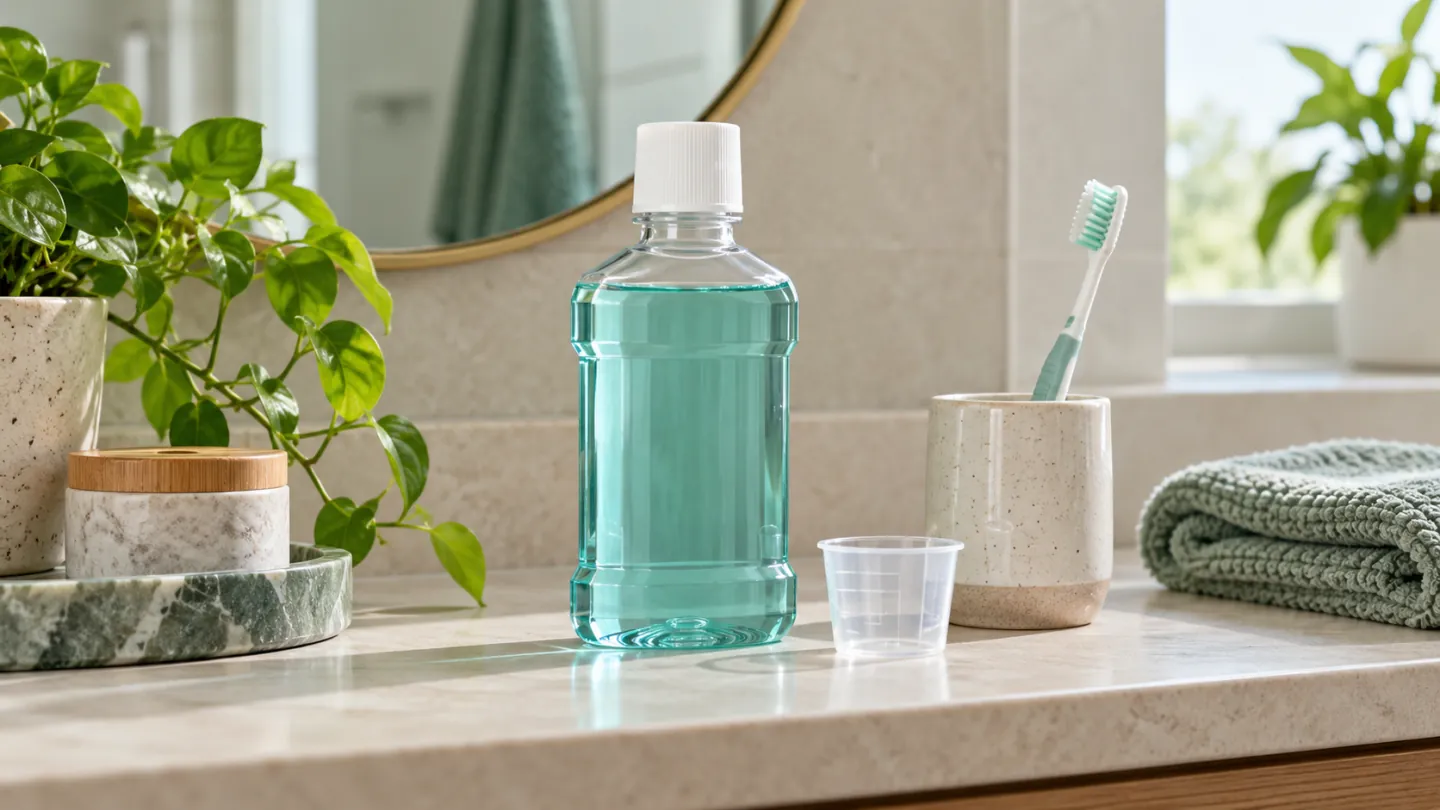
For some people, brushing does not feel finished until they have used mouthwash. For others, a rinse appears only before an important meeting or after an unusually garlicky lunch. Then there are patients who have been prescribed a specific rinse and are unsure whether it replaces the large bottle already sitting beside the sink.
Those are three different reasons for using a product. Understanding mouthwash in Winnipeg begins with identifying yours. A fresh taste, additional cavity prevention and a short course following dental treatment are different goals, even when the liquids come in similar bottles.
The useful question is not which mouthwash is strongest. It is whether a particular rinse has a purpose in your care, whether you can use it safely and comfortably, and whether its directions fit the rest of your routine. More bottles do not automatically produce a healthier mouth.
Name the problem before choosing the product
If you are shopping because of a symptom, take a moment to describe it. Is your breath persistently unpleasant? Do your gums bleed? Does your mouth feel dry overnight? Did your dentist identify increased cavity risk? A product selected for one issue may do little for another.
The American Dental Association distinguishes cosmetic and therapeutic rinses. Cosmetic products mainly freshen the mouth temporarily. Therapeutic products contain ingredients intended to help address problems such as plaque, gingivitis or decay, depending on the formulation. Neither category replaces brushing and cleaning between teeth.
Write the goal on your shopping list. “A fluoride rinse recommended for my cavity risk” is much clearer than “something good for teeth.” If no one has explained why you need a rinse, it is reasonable to ask whether you need one at all. The answer should come from your circumstances rather than the number of claims on a label.
A fluoride rinse has a specific role
A fluoride rinse may be recommended as an additional preventive step for selected patients. That recommendation should include an explanation of why it is useful in your situation. It should not leave you wondering whether the rinse allows you to brush less often or ignore a tooth already needing treatment.
The University Hospitals Plymouth patient leaflet on fluoride mouthwash describes rinsing as an addition to effective cleaning. It also recommends using it at a different time from brushing. Product directions and the advice of your own clinician remain important because concentrations and intended schedules differ.
For a practical Winnipeg workday, a lunchtime rinse may fit more naturally than trying to add everything to a rushed morning. If you carry a product to work, keep it in its labelled container and store it appropriately. Decanting several different liquids into identical travel bottles creates an avoidable source of confusion.
Ask what happens if the routine is hard to maintain. The goal is to find a workable prevention plan, not to collect recommendations you cannot realistically follow.
Timing matters more than the final minty feeling
Many people automatically rinse immediately after brushing because that is how they learned the routine. However, washing away the toothpaste straightaway can reduce the fluoride left on the teeth. The order deserves attention, particularly when you are using several products.
The NHS guide to keeping teeth clean advises spitting out excess toothpaste rather than rinsing immediately and choosing a separate time for mouthwash. Follow any specific instructions supplied for a prescribed product, including restrictions on eating or drinking afterward.
If your routine involves a prescription toothpaste and a prescription rinse, ask for the schedule in writing. Do not assume that two helpful products work best when used one immediately after the other. A pharmacist or dental professional can explain the relevant spacing.
One simple approach is to attach each step to an existing event: brushing before your main sleep period, interdental cleaning at a consistent convenient time, and a recommended rinse at another agreed point. Keep the schedule visible until it becomes familiar.
Persistent bad breath needs more than masking
Mouthwash can temporarily make the mouth taste fresher. That does not establish why the breath changed in the first place. If the issue keeps returning, buying a stronger flavour may only make the interval between uses feel shorter.
The NHS information on bad breath identifies dental problems, dry mouth and other possible contributors, and recommends dental assessment when the problem persists despite self-care. Tell the dentist whether someone else has noticed the change, how long it has been present and whether there are associated symptoms.
You do not need to feel embarrassed or apologize. Breath concerns are a reasonable reason to request an appointment. A useful examination can look at teeth, gums, tongue coating, appliances and the home-care routine rather than assuming every case has the same cause.
Our bad breath guide covers that broader assessment. Bring the rinse you use, especially if you rely on it several times a day. How often you feel you need it is useful information even when the product itself is not the cause.
Dryness changes the conversation
A mouth that feels sticky, thirsty or uncomfortable may need a different approach from one that simply needs freshening. Some people notice the problem most during long conversations, others when waking overnight. The pattern can help your healthcare team understand what is happening.
The National Institute of Dental and Craniofacial Research explains dry mouth as inadequate saliva and describes medication and medical conditions among possible causes. Persistent dryness deserves assessment because saliva supports comfort and oral health. Do not stop prescribed medication on your own to test a theory.
Ask whether an alcohol-free product or a saliva-support product is appropriate. A rinse that stings or leaves you feeling drier is not something you need to endure as proof of effectiveness. Keep a note of the name and the reaction so alternatives can be compared sensibly.
During a Winnipeg winter, it is easy to blame every uncomfortable mouth on indoor heating. Mention seasonal patterns, but do not let that explanation prevent a review of symptoms, medicines and other possible contributors. Our dry mouth article explains how to prepare for that discussion.
Prescription rinses need an end point
A prescribed rinse belongs to a treatment plan. Ask what condition it addresses, how much to use, how frequently to use it and when to stop or return for review. Instructions remembered from a previous procedure may not apply to the current one.
Chlorhexidine is one example. The NHS instructions for chlorhexidine explain that toothpaste can interfere with its action and that the timing needs attention. The NHS side-effect information also describes possible taste changes, irritation and tooth staining.
These details are reasons to follow a clear prescription, not reasons to stop a recommended course without discussing it. Contact the prescriber if you have side effects or cannot follow the schedule. Do not continue indefinitely because there is liquid left in the bottle, and do not restart an old prescription whenever gums feel sore.
If you develop signs of a serious allergic reaction, such as swelling of the tongue or throat or difficulty breathing, seek emergency help. For less severe irritation, stop using the suspected product and ask your dentist or pharmacist what to do next.
Children and swallowing ability come first
Mouthwash is not a necessary milestone that every child must reach at the same age. The child needs to understand the instructions and reliably spit out the liquid. The ADA advises against routine mouthrinse use in children younger than six unless a dentist directs it.
Keep bottles out of children’s reach, including products with appealing flavours. Supervision is about correct use, not simply checking that the child remembered a step. If a dentist recommends a rinse, have them demonstrate the amount and explain how an adult should help.
The same principle applies to adults who have difficulty swallowing or controlling liquids. Do not introduce swishing because it appears easier than assisted brushing. Ask the person’s healthcare or dental team for an appropriate plan.
If a significant amount is swallowed accidentally, get advice from a poison information service promptly and keep the labelled bottle available. The ingredients and amount matter. Severe symptoms require emergency care. Avoid trying to manage an uncertain ingestion with improvised home remedies.
Avoid turning the cupboard into a chemistry experiment
Using several rinses in succession can make instructions difficult to follow and reactions difficult to trace. It also adds cost. Before combining products, ask what each contributes and whether the combination was actually recommended.
Do not mix commercial mouthwashes together or add household chemicals to make them stronger. A recipe seen online may use a different concentration from the product you own. “A small splash” is not a reliable way to measure a chemical intended for oral use.
After an extraction or another procedure, use the written aftercare instructions from the treating clinic. Advice about when and how to rinse may differ from your everyday routine. If the instructions are missing, call for a copy rather than borrowing someone else’s recovery plan.
When a product is uncomfortable, photograph its label and record when the problem began. That gives the team a useful starting point. Changing three products at once makes it harder to identify what helped and what caused trouble.
Leave the appointment with a simple answer
A good mouthwash plan should fit into a few clear sentences: why you are using it, how much, when, for how long and what to report. If any part is unclear, ask before leaving the clinic or pharmacy. There is no benefit in pretending to remember instructions you have not understood.
For help choosing mouthwash in Winnipeg, request an appointment at Winnipeg North Dental. Bring the products you already use and explain the outcome you want. The most useful recommendation may be a different rinse, clearer timing, attention to an underlying problem or a simpler routine with fewer products.